
Every February 2nd, millions tune in to witness a furry celebrity’s big moment. That’s right, it’s Groundhog Day! But what time does this little weather oracle make its grand appearance? As the clock ticks down, excitement builds. Will he see his shadow and predict six more weeks of winter, or will spring come early?
What Time Does the Groundhog Come Out?
Groundhogs typically emerge from their burrows early in the morning. Specifically, on Groundhog Day, February 2nd, the animal appears around 7:20 AM. The event takes place in Punxsutawney, Pennsylvania, drawing thousands of spectators. They gather to witness this unique weather prediction.
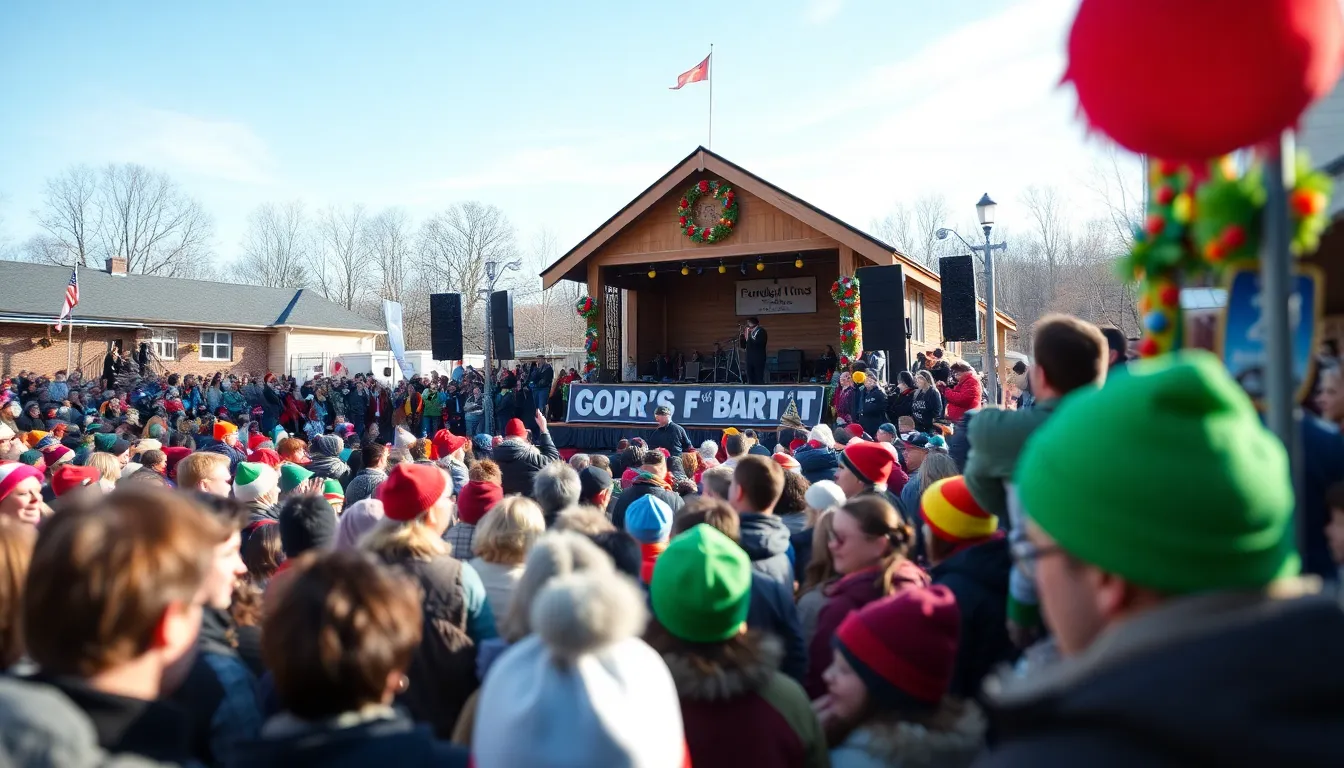
The celebration kicks off with festive activities before the groundhog’s appearance. Enthusiastic crowds enjoy music, food, and various entertainment options. As the time approaches for the critical moment, the excitement builds among attendees.
Once the groundhog is called, anticipation reaches its peak. If it sees its shadow, folklore suggests six more weeks of winter. If it does not see its shadow, the arrival of spring seems imminent.
In addition to its morning ritual, groundhogs play a vital role in local culture. The creature symbolizes hope and renewal, and the event draws significant media coverage. Many view Groundhog Day as a lighthearted tradition that marks the transition between seasons.
Visitors often arrive hours before the sunrise to secure the best viewing spots. Local businesses engage in the festivities, offering themed merchandise and refreshments. This annual event emphasizes community spirit and the enjoyment of shared experiences.
Groundhog Day Traditions

Groundhog Day traditions embody excitement and community spirit, bringing people together each February 2nd. The festivities celebrate not only the groundhog’s prediction but also local culture.
History of Groundhog Day
The origins of Groundhog Day date back to ancient European celebrations. Early Europeans used a hedgehog to forecast weather, which eventually transformed when German settlers arrived in Pennsylvania. In 1887, Punxsutawney Phil received the spotlight as the official groundhog. This local tradition flourished through the years, with the first official Groundhog Day celebrated in Punxsutawney. It quickly became a popular event, attracting thousands globally who anticipate its outcomes.
Cultural Significance
Groundhog Day carries deep cultural significance within American folklore. It serves as a symbol of hope and renewal, marking midwinter with the promise of spring. Communities unite to participate in various festivities, strengthening relationships among attendees. Many local businesses engage, providing themed merchandise and food. The celebration draws media attention, highlighting its importance in shaping local identity. Groundhog Day represents more than tradition; it cultivates joy and communal spirit during the winter months.
The Science Behind Groundhogs
Groundhogs exhibit fascinating habits and behaviors central to their lifestyle. Primarily herbivorous, these rodents consume a diet of grasses, fruits, and vegetables. Active during daylight, they often forage for food in the early morning and late afternoon. Social interactions include establishing territories through scent marking and vocalizations. They can be quite territorial, defending their burrows against intruders, particularly during the breeding season. Groundhogs typically prefer areas with abundant vegetation where they can easily find food and shelter.
Hibernation patterns significantly impact a groundhog’s life cycle. Each year, groundhogs enter a state of hibernation that generally begins in late fall. Body temperatures drop, metabolism slows, and the groundhog becomes inactive for several months. This hibernation typically lasts from October until early March, with emerging coinciding with warmer weather. Upon awakening, groundhogs seek food to replenish energy stores. They also rely on their burrows to maintain an ideal temperature, ensuring survival in harsh winter conditions.
Predictions and Weather
Groundhogs play a significant role in predicting seasonal changes each February. The anticipation surrounding these forecasts captivates thousands who gather to witness this unique tradition.
How Predictions are Made
Predictions rely on folklore where seeing a shadow suggests six more weeks of winter. Not seeing a shadow signals an early spring. Groundhogs typically emerge from their burrows around 7:20 AM on February 2nd. Observers in Punxsutawney, Pennsylvania, watch closely for these signs. Local officials, known as the Inner Circle, play a vital role in announcing the predictions. Weather patterns and temperatures leading up to Groundhog Day can also influence the outlook.
Accuracy of Groundhog Predictions
Data shows that groundhog predictions boast an accuracy rate of around 39 percent. Weather experts argue that this method offers limited reliability compared to advanced meteorological techniques. Historical records reveal that Punxsutawney Phil’s forecasts match actual spring conditions about a third of the time. Despite the low accuracy, many continue to embrace the event for its fun and cultural significance. These predictions contribute to local excitement, uniting communities in the shared experience of anticipation.
Events and Celebrations
Groundhog Day captivates audiences with vibrant celebrations and beloved traditions, particularly in Punxsutawney, Pennsylvania.
Key Locations
Locations for Groundhog Day festivities attract thousands, creating a unique atmosphere. The centerpiece lies at Gobbler’s Knob, where Punxsutawney Phil makes his prediction each year. Nearby, local parks and venues host various activities, offering attendees an all-day experience. Often, intimate gatherings occur in community centers, fostering a cozy environment for locals. Visitors travel from afar to explore the charming town, immersing themselves in its folklore.
Activities on Groundhog Day
Festive activities enhance the excitement of Groundhog Day. Music plays throughout the event, featuring local bands and entertainers that keep spirits high. Families enjoy food vendors presenting delicious treats and seasonal snacks, adding to the celebration’s charm. Crafts and games for children engage younger attendees, creating lasting memories. Photobooths and themed merchandise stalls also provide fun keepsakes for visitors. Those arriving early often join in pre-event activities, including storytelling and trivia contests centered around Phil. Jointly, these activities create an energetic environment that embodies community spirit and joy.
Groundhog Day is more than just a quirky tradition; it’s a celebration of community and hope. As millions gather to witness the groundhog’s prediction each February 2nd, they participate in a shared experience that transcends mere weather forecasting. The excitement surrounding Punxsutawney Phil’s emergence fosters a sense of unity among attendees, blending folklore with local culture.
This annual event not only marks the midpoint of winter but also symbolizes the anticipation of spring’s arrival. Whether the groundhog sees its shadow or not, the joy and camaraderie felt during the festivities create lasting memories. Groundhog Day continues to thrive, reminding everyone of the warmth of community spirit even in the coldest months.


