
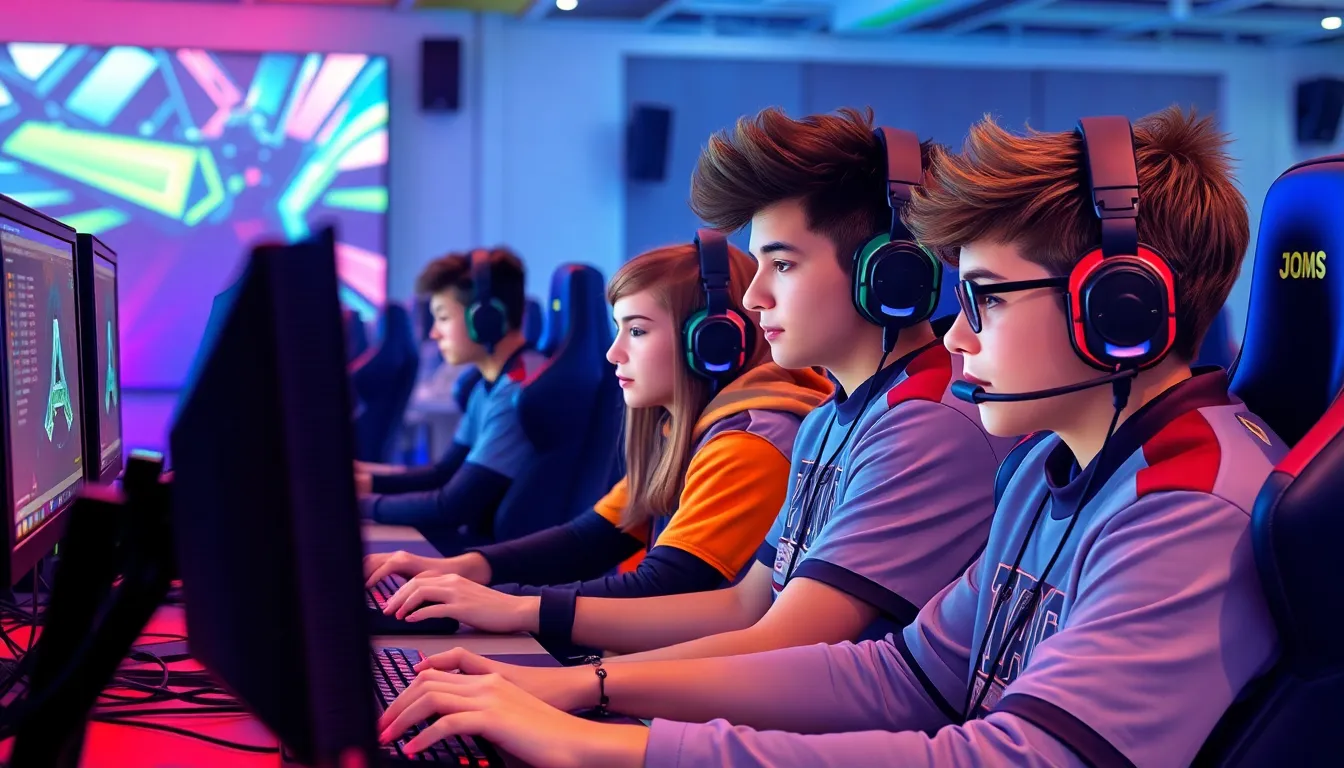
Esports in high school isn’t just a passing trend; it’s a revolution that’s changing the educational landscape. Imagine students trading in textbooks for game controllers, all while developing skills like teamwork, strategy, and communication. It’s like gym class but with less sweat and more snacks.
Understanding Esports
Esports represents a growing phenomenon within high school environments. Students actively participate in competitive gaming while developing essential skills relevant to both academic and social contexts.
Definition of Esports
Esports refers to organized multiplayer video game competitions facilitated through online platforms or in-person events. Teams often compete in popular titles such as League of Legends, Overwatch, and Fortnite. Gamers engage in strategies that require critical thinking and effective communication. These gaming formats promote sportsmanship and mutual respect among participants, illustrating how esports parallels traditional sports in fostering teamwork.
Evolution of Esports
The evolution of esports dates back to the 1970s and has seen significant growth through the years. Initial competitions revolved around arcade games and local tournaments. The introduction of online gaming in the late 1990s expanded accessibility, drawing more participants. Recent years saw the establishment of major tournaments with substantial prize pools, such as the International and League of Legends World Championship. The rise of streaming platforms like Twitch further popularized esports, enabling fans to engage with content creators and watch events live. Schools now recognize esports as a legitimate extracurricular activity, enriching student experiences.
Esports in High Schools
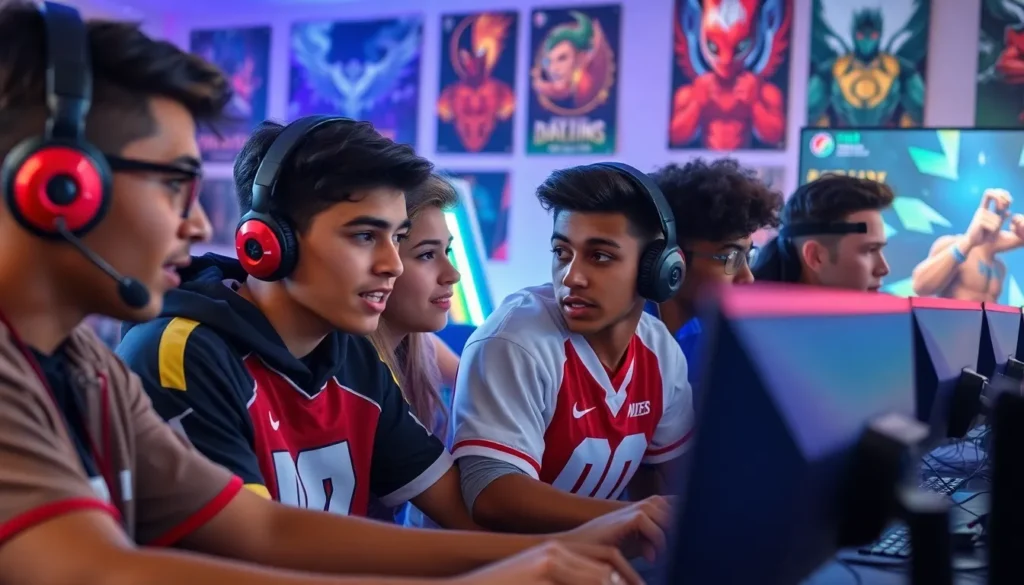
Esports captures students’ attention by merging competitive gaming with education. The trend is transforming how students engage in extracurricular activities.
Popular Games in High School Esports
League of Legends, Overwatch, and Fortnite top the list of popular games. These titles attract significant participation due to their strategic depth and team dynamics. Competitive events often feature games like Rocket League and Super Smash Bros., which enhance player skills. Schools frequently organize tournaments that highlight these games, fostering an enthusiastic community. Viewing parties amplify the excitement surrounding major matches, further engaging students.
Benefits of Esports for Students
Esports promotes teamwork and communication among students. Through competition, players develop critical thinking and strategic planning skills. Participation provides opportunities for leadership roles in team settings. Additionally, esports encourages inclusivity, allowing diverse groups of students to connect. Students interested in technology gain insights into game design and streaming careers. Schools recognize the potential for esports to enhance student engagement and retention, aiding overall academic performance.
The Structure of High School Esports
High school esports has a structured environment that mirrors traditional sports in various ways. Teams and competitions form the backbone of the program.
Teams and Competitions
Students form teams based on popular games such as League of Legends, Overwatch, and Fortnite. Schools often sponsor multiple teams to accommodate different skill levels. Competitions occur both locally and nationally, allowing students to showcase their skills. Many schools host regular tournaments, promoting engagement and camaraderie. Players engage in practices to hone their strategies and team dynamics, similar to conventional athletic practices. These structured events foster a sense of community and provide students with opportunities to compete for scholarships and recognition.
Role of Coaches and Mentorship
Coaches play a crucial role in shaping high school esports teams. Guidance from coaches helps players improve their gameplay and develop teamwork abilities. Many coaches emphasize the importance of sportsmanship and character-building. Mentorship extends beyond gameplay; coaches often assist students in setting academic and personal goals. The relationship between coaches and players fosters a supportive environment that encourages growth. This mentorship is vital in navigating both gaming and academic challenges, ensuring students excel in multiple areas.
Challenges Faced by High School Esports
High school esports programs face several challenges that can impact their growth and effectiveness.
Funding and Resources
Funding for high school esports remains inconsistent. Many schools struggle to secure financial support for necessary equipment, venue space, or team travel costs. Additionally, resources like PCs and high-speed internet connections are essential for competitive play. Schools often must rely on grants or fundraising initiatives to cover expenses. Some institutions partner with local businesses to obtain sponsorships. Collaboration with community organizations can improve resource allocation significantly. Limited funding can hinder the ability to maintain multiple teams for various skill levels, impacting student engagement.
Balancing Academics and Gaming
Balancing academic responsibilities and gaming commitments poses a significant challenge. Students involved in esports must manage their time effectively to succeed in both arenas. Academic performance often takes priority, requiring students to develop strong time-management skills. Schools provide guidance to help students prioritize their studies while still enjoying competitive gaming. Establishing clear expectations helps athletes focus on maintaining good grades. Engagement in esports might become overwhelming if students struggle with time allocation. Faculty involvement is crucial in ensuring students remain committed to their academic goals.
Esports in high schools represents a significant shift in how students engage with competitive activities. By blending gaming with education it fosters essential life skills that extend beyond the screen. Schools are not just creating teams but building communities that emphasize teamwork and strategic thinking.
As esports continues to grow its presence in educational settings students gain valuable insights into potential career paths while enjoying a structured environment. The challenges faced by these programs highlight the need for support and resources to ensure sustainability.
Ultimately high school esports is more than just a trend; it’s a movement that enriches the educational experience and prepares students for a future where technology and collaboration play crucial roles.


