
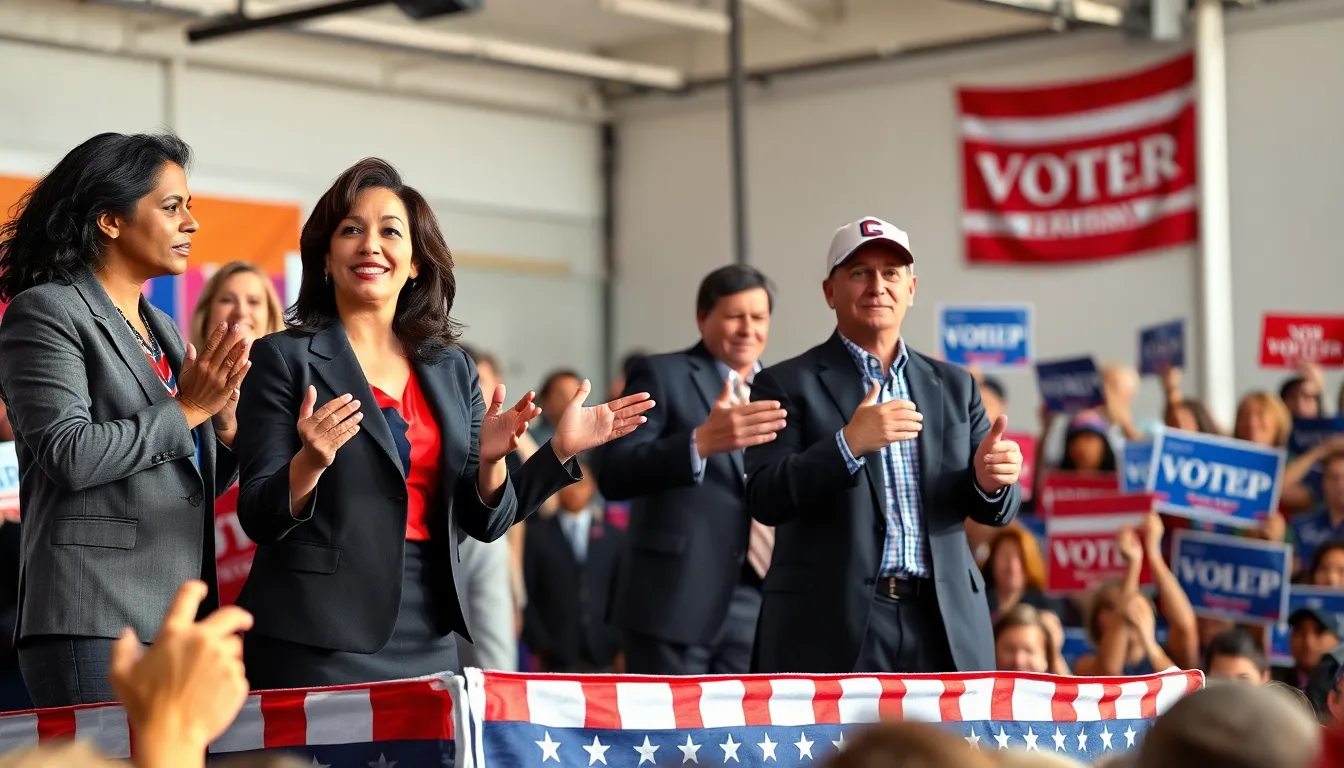
Political rhetoric isn’t just a fancy term for what politicians say; it’s the art of persuasion wrapped in a suit and tie. From fiery speeches to clever soundbites, this powerful tool can sway opinions faster than a politician can change their stance. It’s like a magic show where words are the wand, and the audience is left wondering, “Did they really just say that?”
Understanding Political Rhetoric
Political rhetoric serves as a powerful tool in shaping public perception. Politicians utilize persuasive language to craft messages that resonate with their audience.
Definition and Importance
Political rhetoric refers to the art of persuasion within political discourse. It encompasses choices in language and style to influence beliefs and behaviors. Effective rhetoric can sway opinions and mobilize communities. Its importance lies in the ability to frame issues, unite support, and inform constituents. Political speeches, campaign messages, and debates showcase its effectiveness. When used skillfully, rhetoric fosters engagement and drives action.
Historical Context
Historical instances highlight the evolution of political rhetoric. Ancient Greece emphasizes rhetorical education, with figures like Aristotle defining its principles. During the 20th century, notable leaders like Martin Luther King Jr. demonstrated rhetoric’s power through impactful speeches. The rise of mass media revolutionized rhetoric, allowing messages to reach wider audiences quickly. Various movements employed rhetorical strategies to advocate for change, showcasing its ongoing significance in societal transformation. Understanding this context enriches the perception of contemporary political discourse.
Key Elements of Political Rhetoric
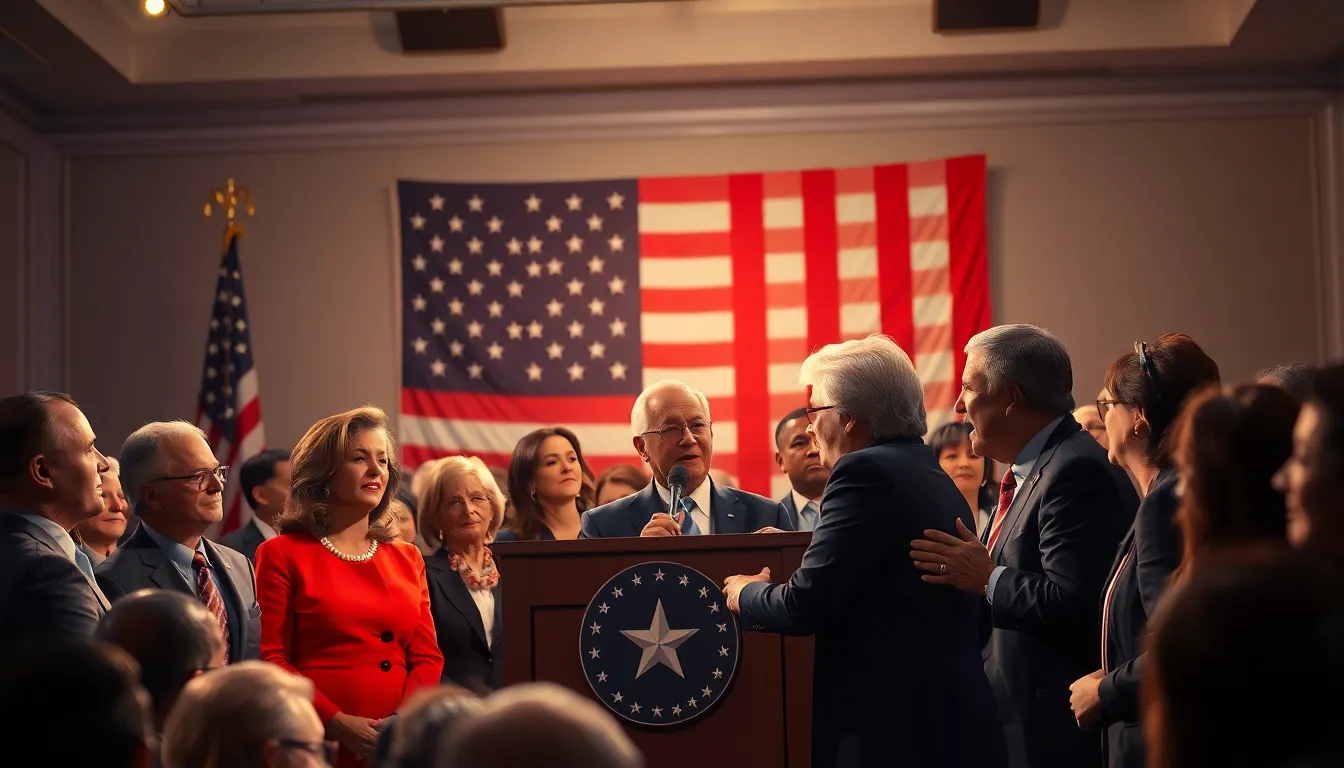
Political rhetoric relies on foundational elements to effectively persuade and influence. Understanding these key components enhances the analysis of speeches and messages that shape political discourse.
Ethos, Pathos, and Logos
Ethos establishes the speaker’s credibility and moral character. Politicians often showcase their qualifications and integrity to build trust. Pathos appeals to the audience’s emotions, igniting feelings like empathy, anger, or hope. Effective use of pathos encourages emotional engagement and motivates action. Logos involves the use of logical reasoning and evidence to support arguments, showcasing facts, statistics, and sound reasoning. Politicians strategically combine these three elements to create compelling narratives that resonate with various audiences.
Figurative Language and Persuasion Techniques
Figurative language enhances the emotional impact of political messages. Metaphors, similes, and analogies draw vivid comparisons, making complex ideas more relatable. Rhetorical questions engage audiences by prompting them to think critically about issues. Alliteration and repetition reinforce key points, making them memorable. Politicians utilize anecdotes and storytelling to connect on a personal level, fostering a sense of shared experience. These techniques amplify persuasive efforts, enabling messages to leave lasting impressions in the minds of constituents.
The Role of Political Rhetoric in Elections
Political rhetoric significantly influences the electoral process. Politicians employ it to shape narratives, engage voters, and mobilize support.
Campaign Strategies
Campaign strategies often rely on effective political rhetoric. Candidates craft messages that resonate with specific demographics, addressing their concerns and aspirations. Tailored speeches and slogans capture attention, making complex issues more accessible. Rhetorical techniques like storytelling create emotional connections, motivating individuals to participate. During debates, candidates leverage rhetoric to highlight their qualifications and differentiate from opponents. Engaging in active dialogue fosters trust and relatability, enhancing voter engagement. A well-implemented rhetoric strategy can increase visibility and strengthen voter loyalty.
Impact on Voter Perception
Voter perception changes through the careful use of political rhetoric. Persuasive language helps frame issues, influencing how constituents interpret policies. Strong emotional appeals can shift opinions, creating urgency or empathy for specific topics. Soundbites from speeches often dominate news cycles, affecting public discussions and perceptions. Voters tend to recall impactful phrases and narratives, linking them to candidates’ personas. Effective rhetoric can also counter negative portrayals by reframing narratives. Thus, understanding these dynamics is crucial for politicians seeking to sway public opinion and secure votes.
Modern Examples of Political Rhetoric
Political rhetoric thrives on current events and the strategies politicians use to connect with their audience. Many recent political campaigns showcase the power of language and persuasion in action.
Case Studies in Recent Elections
One example comes from the 2020 U.S. presidential election, where candidates used targeted messaging to appeal to different voter demographics. Joe Biden focused on empathy and unity to resonate with those fatigued by division. His messages often included personal stories, fostering a sense of trust. Conversely, Donald Trump utilized confrontational language and slogans to energize his base, such as “Make America Great Again,” which created a strong emotional attachment. Data analysis shows that these distinct rhetorical styles influenced voter turnout, especially among undecided voters.
Analysis of Prominent Political Figures
Barack Obama serves as another relevant case study in modern political rhetoric. His speeches incorporated inclusive language that inspired hope and change, often appealing to shared values. Ethos played a significant role in his communication, as he established credibility on critical issues like healthcare and education. Comparatively, figures like Alexandria Ocasio-Cortez leverage social media platforms to engage younger audiences. Her use of relatable language and concise messaging encourages discussions around climate change and social justice. This analysis highlights how varied rhetorical techniques reflect the unique personas of these political figures.
Political rhetoric remains a vital force in shaping public discourse. Its ability to persuade and mobilize audiences highlights the importance of language in politics. As politicians continue to refine their rhetorical strategies, understanding the nuances of ethos, pathos, and logos becomes essential for both leaders and constituents.
The evolution of rhetoric from historical figures to modern-day politicians illustrates its ever-changing nature and relevance. By examining contemporary examples, one can appreciate how effective communication can influence voter engagement and perceptions. Ultimately, the art of political rhetoric will continue to play a crucial role in the democratic process, reflecting the dynamic relationship between language and power.


