
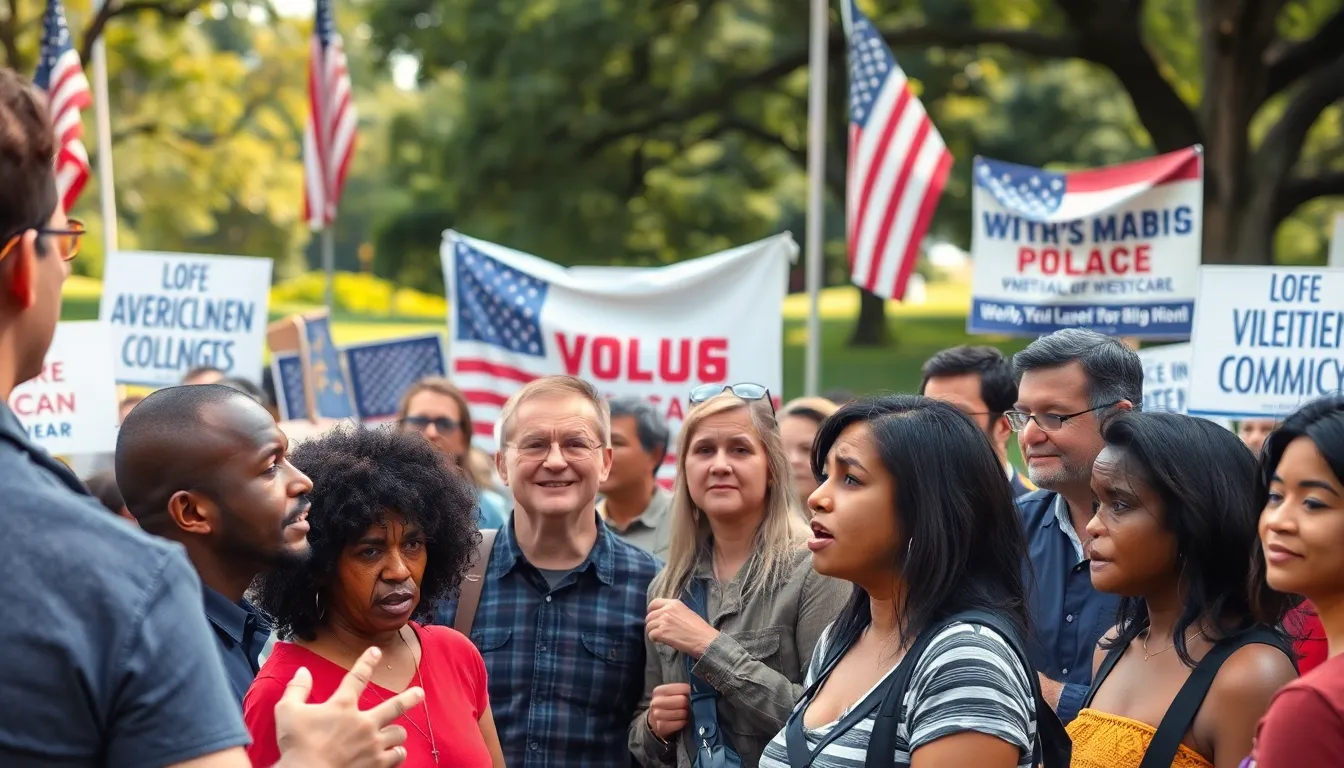
Political influences shape societies in profound ways, impacting everything from legislation to cultural norms. These forces can stem from various sources, including government institutions, interest groups, and public opinion. Understanding these influences is crucial for anyone looking to navigate the complex landscape of modern politics.
As political dynamics shift, the implications ripple through economies and communities. Citizens often find themselves at the mercy of decisions made in the halls of power, making it essential to grasp how these influences operate. By delving into the mechanisms behind political influence, readers can better appreciate the intricate web that connects politics with everyday life.
Understanding Political Influences
Political influences encompass the mechanisms and forces that shape governmental policies and societal norms. These influences originate from various sources, impacting legislation and everyday life.
Definition of Political Influences
Political influences refer to the dynamics that affect decision-making processes within governments and societies. They include actions by government institutions, lobbying by interest groups, and shifts in public opinion. Such influences can guide the agenda of political leaders, drive legislation, and shape cultural perceptions.
Historical Context
Political influences have evolved significantly over time. Historical events, such as wars, revolutions, and social movements, have played critical roles in shaping political landscapes. For instance, the Civil Rights Movement in the 1960s influenced legislation promoting racial equality. Similarly, the fall of the Berlin Wall in 1989 marked a shift in global political influences, leading to the emergence of new democratic governments in Eastern Europe. Understanding these historical contexts provides insight into contemporary political influences and their origins.
Types of Political Influences
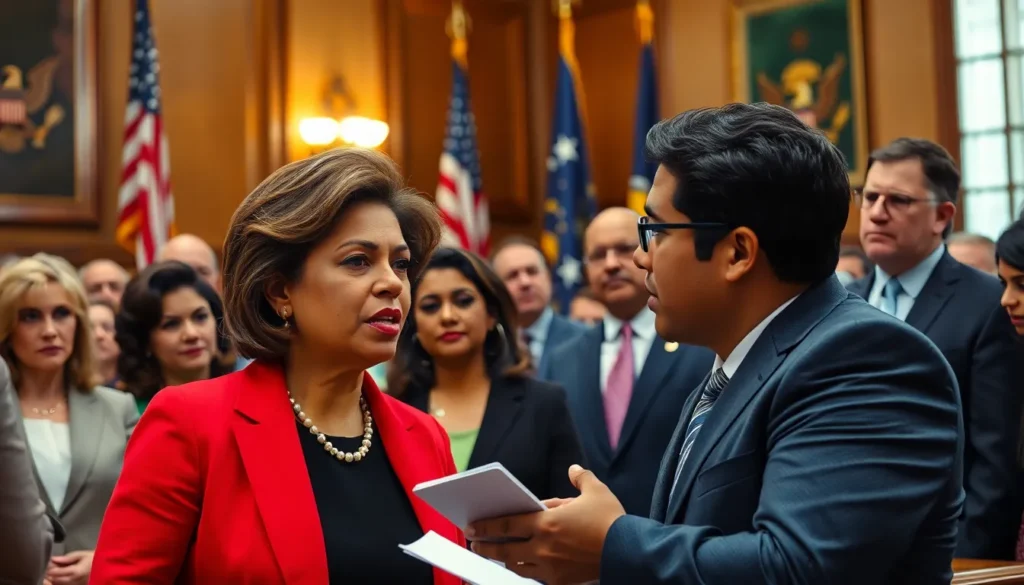
Political influences manifest through various mechanisms that affect decision-making and policy formulation. Understanding these types sheds light on their implications for society.
Government Policies
Government policies serve as foundational tools for shaping societal norms and public behavior. Policies set by local, state, and federal levels determine resource allocation, regulate businesses, and establish social support systems. For instance, environmental regulations target pollution control, impacting both businesses and public health. Education policies establish standards and funding priorities, directly affecting school resources and student outcomes. Policymaking processes involve multiple stakeholders, including elected officials, bureaucrats, and constituents, all influencing the final outcomes.
Political Parties and Ideologies
Political parties and ideologies shape public discourse and electoral outcomes. They represent collective beliefs and values that guide their members’ actions and policies. Major parties in the U.S. – the Democratic and Republican parties – enact policies reflecting their ideological stances, from economic management to social issues. Smaller parties, such as the Green Party and Libertarian Party, introduce alternative perspectives, affecting the broader political landscape. Additionally, party platforms evolve, adapting to changing societal attitudes and pressing issues, which further influences legislation and governance.
Interest Groups and Lobbying
Interest groups play a crucial role in influencing political decisions through lobbying efforts. These groups represent specific interests, such as business sectors, labor unions, or environmental causes. They engage policymakers by providing expertise, research, and campaign contributions, aiming to sway legislation in their favor. For example, the National Rifle Association (NRA) advocates for gun rights, impacting gun-related legislation. Similarly, the American Civil Liberties Union (ACLU) focuses on civil rights, shaping policies through legal challenges. The dynamics of interest group influence reveal the complexities of power and representation within the political system.
The Impact of Political Influences
Political influences profoundly affect various facets of society, economy, and media, shaping the landscape in which individuals and communities operate.
On Society
Political influences affect societal norms and behaviors, often dictating standards of citizenship and community engagement. Legislative changes can either advance or hinder social progress, as seen in movements for civil rights and healthcare reform. Government policies, such as welfare programs and immigration laws, shape public sentiment and community interactions. Interest groups advocate for their causes, influencing the public discourse around critical issues. These actions create a ripple effect, altering the fabric of society by fostering or stifling inclusivity and equity.
On Economy
Political influences play a crucial role in economic outcomes, guiding fiscal and monetary policies that determine resource allocation. Tax policies and regulation impact business operations and investment decisions, influencing job creation and overall economic growth. Political stability and governance quality directly correlate with investor confidence and market performance. Events, such as trade agreements or tariffs, can affect global markets and local economies alike, illustrating the interconnectedness of politics and economic dynamics.
On Media and Public Opinion
Political influences significantly shape media narratives and public opinion, acting as a conduit for information and misinformation. Media organizations often respond to political agendas, framing issues that align with particular ideologies. As political leaders harness social media to communicate directly with constituents, public perception can rapidly shift, impacting electoral outcomes and policy support. Public opinion, in turn, influences political decision-making, creating a cyclical relationship that underscores the importance of informed citizenry and transparent communication in democracy.
Case Studies
Political influences have played crucial roles throughout history and continue to shape modern society. Examining significant moments and current examples illustrates the ongoing dynamics of political power and its societal implications.
Significant Political Influences in History
- Civil Rights Movement: The Civil Rights Movement in the 1960s transformed legislation in the United States. Activists, driven by a demand for equality, challenged systemic racism, leading to landmark laws such as the Civil Rights Act of 1964 and the Voting Rights Act of 1965. These changes not only altered government policies but also redefined societal norms around race relations.
- Fall of the Berlin Wall: The fall of the Berlin Wall in 1989 marked a pivotal moment in world politics. This event symbolized the collapse of Soviet influence in Eastern Europe, leading to the reunification of Germany and a shift towards democratic governance in many former communist states. The resulting political landscape reshaped international relations and economic policies across Europe.
- Arab Spring: The Arab Spring, beginning in 2010, showcased popular unrest against authoritarian regimes throughout the Middle East. Protests in Tunisia, Egypt, and Libya led to regime changes, with varying degrees of democratic progress. This series of uprisings illustrated the impact of social media on political mobilization and influenced regional power dynamics.
Contemporary Examples
- Climate Change Legislation: Contemporary political influences include efforts to address climate change through legislative initiatives. The Paris Agreement, adopted in 2015, reflects a global commitment to reducing greenhouse gas emissions. Countries implementing policies aimed at sustainable development show how political decisions impact environmental stewardship and international cooperation.
- Gun Control Debates: In the United States, ongoing debates around gun control illustrate the influence of interest groups. Organizations like the National Rifle Association lobby against restrictions on firearm access, while groups advocating for stricter regulations push for legislative change. These interactions shape public policy and reflect societal attitudes toward safety and rights.
- Social Media and Political Campaigns: The rise of social media has transformed political campaigning. Platforms like Twitter and Facebook enable direct communication between political leaders and constituents. Political parties utilize these channels to mobilize voters, engage in real-time discussions, and influence public opinion, signaling a shift in traditional campaign strategies.
- Healthcare Reform: Recent healthcare reforms in various countries illustrate the importance of political influence on health policy. In the U.S., the Affordable Care Act aimed to expand access to healthcare, demonstrating the effects of lobbying from various interest groups. The outcomes of these reforms influence public health outcomes and economic stability.
Each case study highlights how political influences impact historical events and contemporary issues, providing insight into their significant role in shaping societal frameworks and norms.
Political influences play a crucial role in shaping societies and determining the course of legislation. They affect everything from cultural norms to economic policies and public opinion. Understanding these dynamics is essential for citizens who wish to engage meaningfully in the democratic process.
The interplay of various political forces highlights the complexity of governance and societal change. As historical events and contemporary issues illustrate, the ongoing dialogue between political entities and the public is vital for a healthy democracy. Recognizing these influences empowers individuals to advocate for their interests and participate actively in shaping their communities.


