
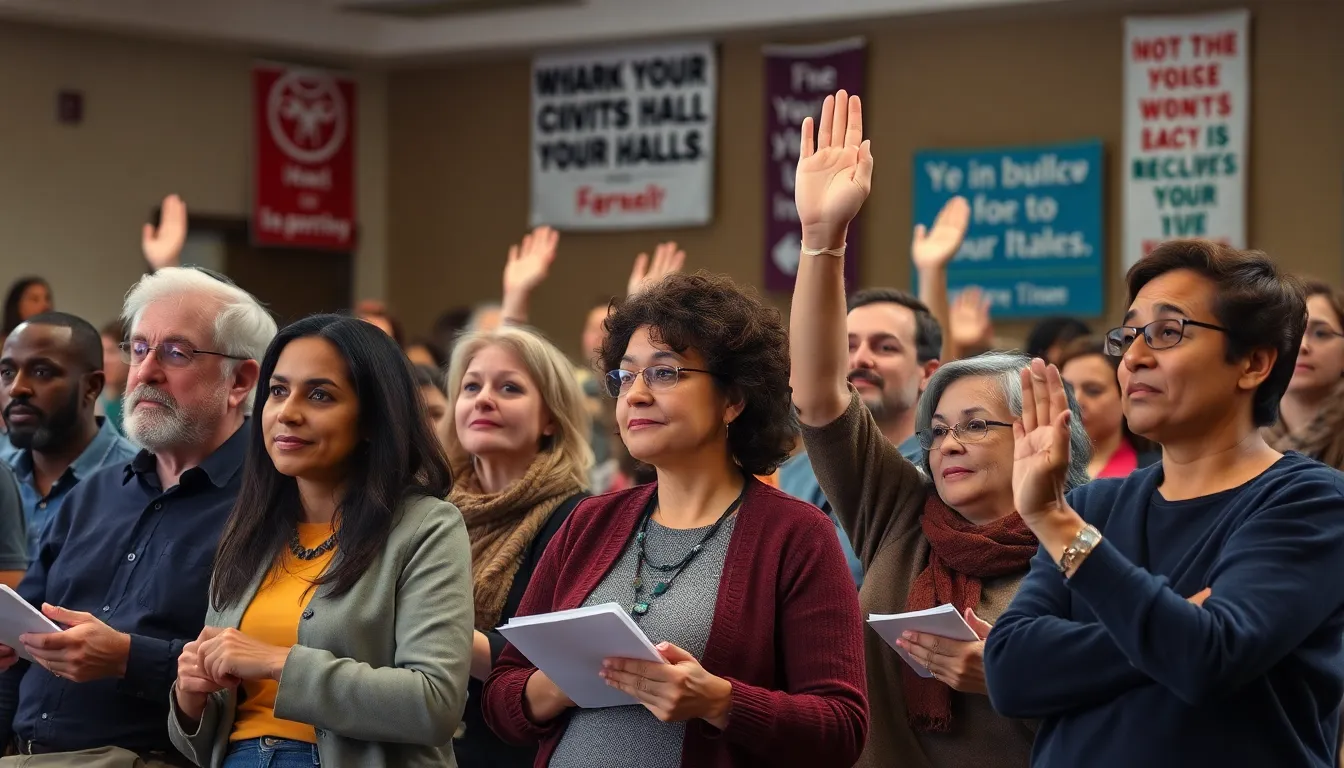
In today’s fast-paced world, political engagement has never been more crucial. As citizens navigate complex social issues and shifting policies, understanding the importance of their voice becomes essential. Political engagement isn’t just about voting; it encompasses advocacy, community organizing, and informed discussions that shape the future.
People are increasingly realizing that their participation influences decision-making at all levels. Whether it’s attending town hall meetings or joining grassroots movements, active involvement fosters a sense of community and empowers individuals to drive change. In an era where information spreads rapidly, being politically engaged means staying informed and making choices that reflect personal values and collective needs.
Understanding Political Engagement
Political engagement encompasses various activities and actions that enable individuals to participate in the political process. It is essential for a thriving democracy and empowers citizens to shape their communities and influence governance.
Definition and Importance
Political engagement refers to the ways individuals become involved in political processes, including voting, advocacy, and community organization. Its importance lies in fostering democratic values, encouraging informed debate, and ensuring that diverse voices contribute to policy-making. Citizens engaged in political matters influence lawmakers by demonstrating public interest and concern, which can lead to policy changes benefiting broader societal needs.
Types of Political Engagement
- Voting
Voting represents the most direct form of political engagement. It allows individuals to express their preferences for candidates and policies.
- Advocacy
Advocacy involves promoting specific issues or causes to influence public opinion and policy. This may include lobbying government officials or mobilizing public support through campaigns.
- Community Organizing
Community organizing empowers individuals to come together for collective action. This can result in grassroots movements addressing local issues or advocating for social justice.
- Participating in Town Hall Meetings
Town hall meetings offer a platform for citizens to engage with elected officials. This interaction allows for direct dialogue regarding community concerns and policy matters.
- Civic Education
Civic education provides individuals with necessary knowledge about political systems and processes. This understanding fosters informed participation and enhances overall political engagement in communities.
Factors Influencing Political Engagement
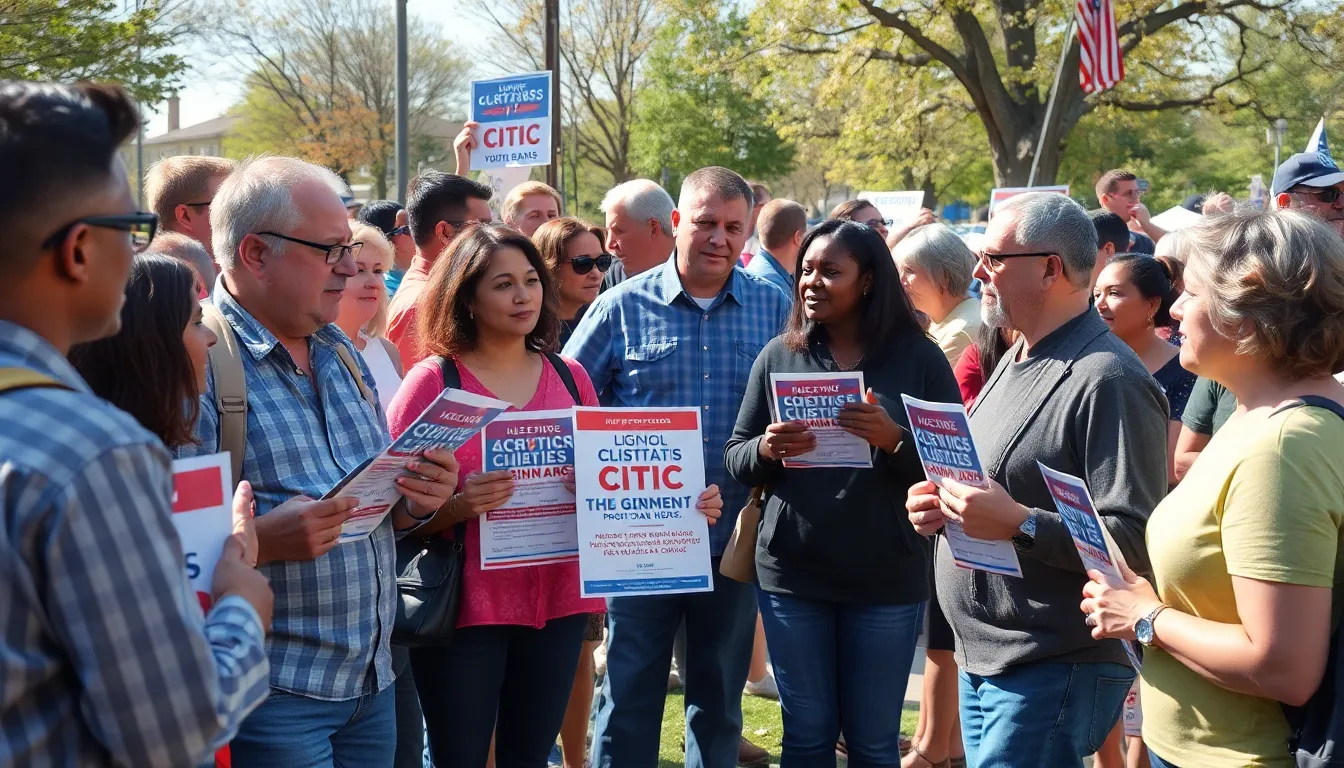
Multiple factors influence political engagement, shaping how individuals participate in the political process. Understanding these elements provides insights into enhancing civic involvement.
Socioeconomic Status
Socioeconomic status significantly affects political engagement. Individuals from higher-income brackets often display higher participation rates through voting and advocacy. For instance, research shows that families with annual incomes exceeding $75,000 voted at a rate of approximately 80% compared to around 50% among those earning less than $30,000. Wealthier individuals typically afford resources like campaign donations and access to political events, further amplifying their voices. Conversely, those in lower-income brackets may face barriers, such as time constraints and resource limitations, hindering their engagement.
Education and Awareness
Education and awareness play crucial roles in fostering political engagement. Higher education levels correlate with increased civic participation, as educated individuals are more likely to stay informed about political issues and processes. Approximately 70% of college graduates vote in elections, while only 50% of those with a high school diploma do. Access to quality civic education enables individuals to understand their rights, the importance of their votes, and community issues, thus empowering them to engage actively. Awareness campaigns that focus on disseminating information about electoral processes and local governance can enhance overall civic participation, making it vital for democratic health.
Role of Technology in Political Engagement
Technology plays a pivotal role in enhancing political engagement, significantly transforming how citizens participate in governance. With the rise of various digital platforms, individuals can easily access information and connect with others regarding political issues.
Social Media Impact
Social media platforms, such as Facebook, Twitter, and Instagram, facilitate immediate communication and interaction among users. They provide a space for individuals to express opinions, share news, and mobilize support for causes. Over 70% of adults in the United States use social media, making it an effective tool for reaching large audiences quickly. Political campaigns leverage these platforms to engage voters, share campaign messages, and respond to public inquiries in real-time. Hashtags serve as powerful tools for organizing movements, exemplified by campaigns like #BlackLivesMatter and #MeToo, which gained traction through viral social media posts.
Online Activism
Online activism has emerged as a significant method for political engagement. It enables individuals to participate in petitions, fundraisers, and awareness campaigns from anywhere in the world. Platforms like Change.org allow users to initiate and sign petitions, making their voices heard on pressing issues. In 2020, online fundraising efforts raised over $500 million for political causes through platforms such as ActBlue. Additionally, organizations utilize email campaigns and digital newsletters to inform supporters about crucial legislative developments, encouraging immediate action. Online activism democratizes participation, allowing marginalized groups to contribute to discourse and advocate for their rights effectively.
Barriers to Political Engagement
Various barriers impede political engagement, affecting individuals’ abilities to participate actively in the political process. Understanding these challenges is crucial for fostering greater involvement.
Disillusionment with Politics
Disillusionment with politics often stems from a perception of corruption, inefficiency, and unresponsiveness among elected officials. Many individuals feel their voices remain unheard, leading to apathy towards the political system. Data shows that approximately 60% of citizens express a lack of trust in government institutions, which discourages participation. The feeling that political processes prioritize special interests over the average citizen contributes to further disengagement. To combat this, transparency and integrity in governance are essential to rebuild trust and stimulate active involvement among constituents.
Accessibility Issues
Accessibility issues significantly hinder political engagement, particularly for marginalized groups. Barriers include physical obstacles, inadequate information, and socioeconomic disparities. For instance, research indicates that only 29% of individuals with disabilities engage in voting compared to their able-bodied counterparts. Additionally, language barriers can prevent non-English speakers from understanding campaign materials and election procedures. Geographic constraints also affect participation, with rural citizens often confronting a lack of resources and infrastructure for civic engagement. Enhancing accessibility through inclusive policies, educational resources, and outreach programs can empower all citizens to participate in the democratic process effectively.
Political engagement is vital for a healthy democracy. It empowers individuals to voice their opinions and influence the governance that shapes their lives. As citizens become more aware of their impact on decision-making, active participation in various forms becomes essential.
With the rise of technology and social media, engaging in political discourse has never been easier. However, barriers still exist that can hinder involvement. Addressing these obstacles is crucial for fostering an inclusive environment where all voices are heard.
Ultimately, encouraging political engagement not only strengthens communities but also reinforces democratic values. As individuals take charge of their civic responsibilities, they contribute to a more informed and vibrant society.


