
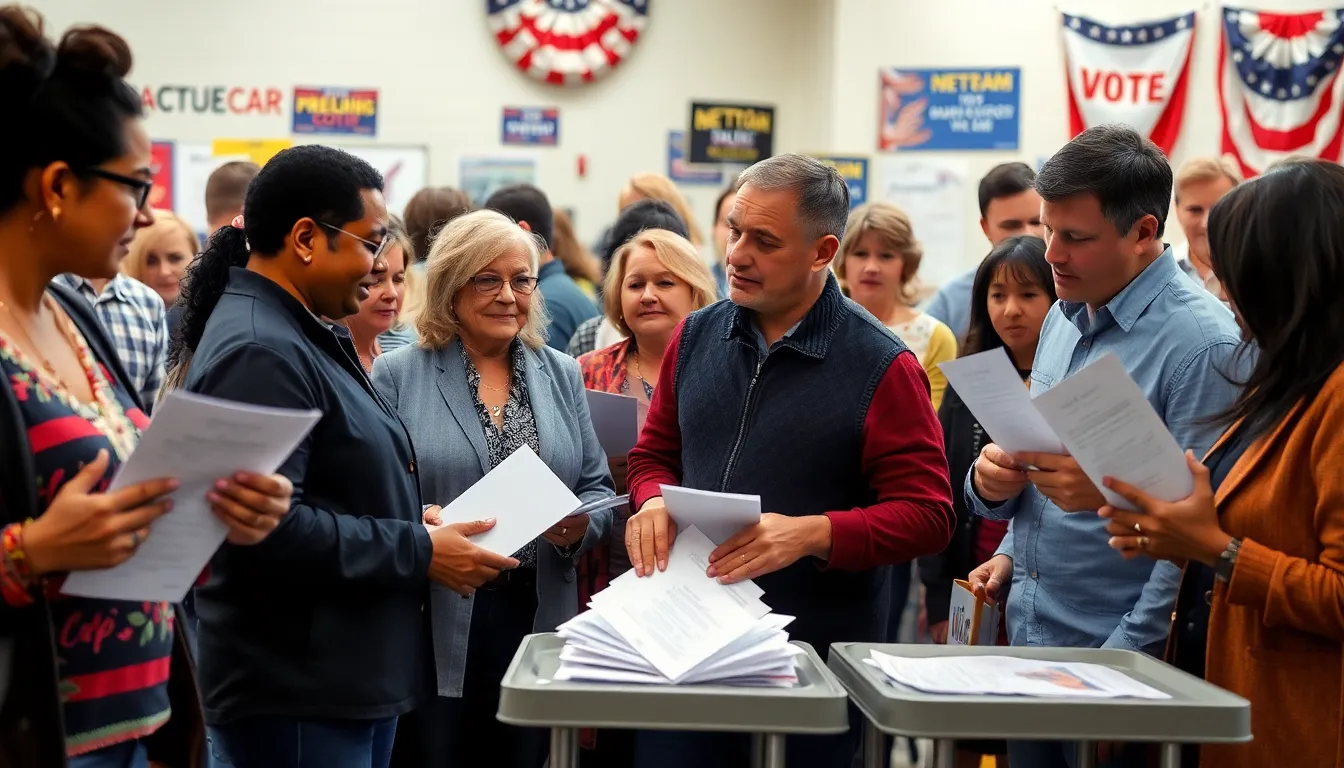
In a world where political news can feel like a never-ending circus, staying informed is both crucial and, let’s face it, a bit of a challenge. With headlines that often read like the latest plot twist in a soap opera, understanding the nuances of political coverage is more important than ever. Whether it’s the latest election drama or policy debates that seem to go in circles, there’s a lot to unpack.
Overview of Political Coverage
Political coverage involves reporting on events, policies, and the actions of public figures within the political sphere. Media outlets play a crucial role in informing the public. Information can come from various sources, including newspapers, television news, and online platforms.
Audience engagement remains essential in political coverage. Journalists aim to present facts while maintaining transparency. They often face the challenge of balancing sensationalism with the delivery of accurate news. The need for unbiased reporting is vital for public trust.
Election cycles generate heightened attention. Voters rely on comprehensive coverage to make informed decisions. Debates, campaign strategies, and endorsements receive extensive analysis. In-depth stories help contextualize political shifts and trends.
Social media has transformed political communication. Platforms like Twitter and Facebook allow for immediate information dissemination. The speed of news can sometimes lead to misinformation. Fact-checking organizations aim to combat this issue by verifying claims from political figures and their supporters.
Public opinion polls add another layer of complexity. They provide insights into voter preferences and sentiments. Voters may adjust their views based on evolving coverage of issues such as healthcare, immigration, and climate change. Polls should be interpreted cautiously, recognizing their margin of error and sampling methods.
Understanding the interplay of politics and media highlights the importance of critical thinking. Readers must analyze their sources and seek multiple perspectives. Engaging with a variety of outlets enriches the understanding of the political landscape.
Importance of Political Coverage
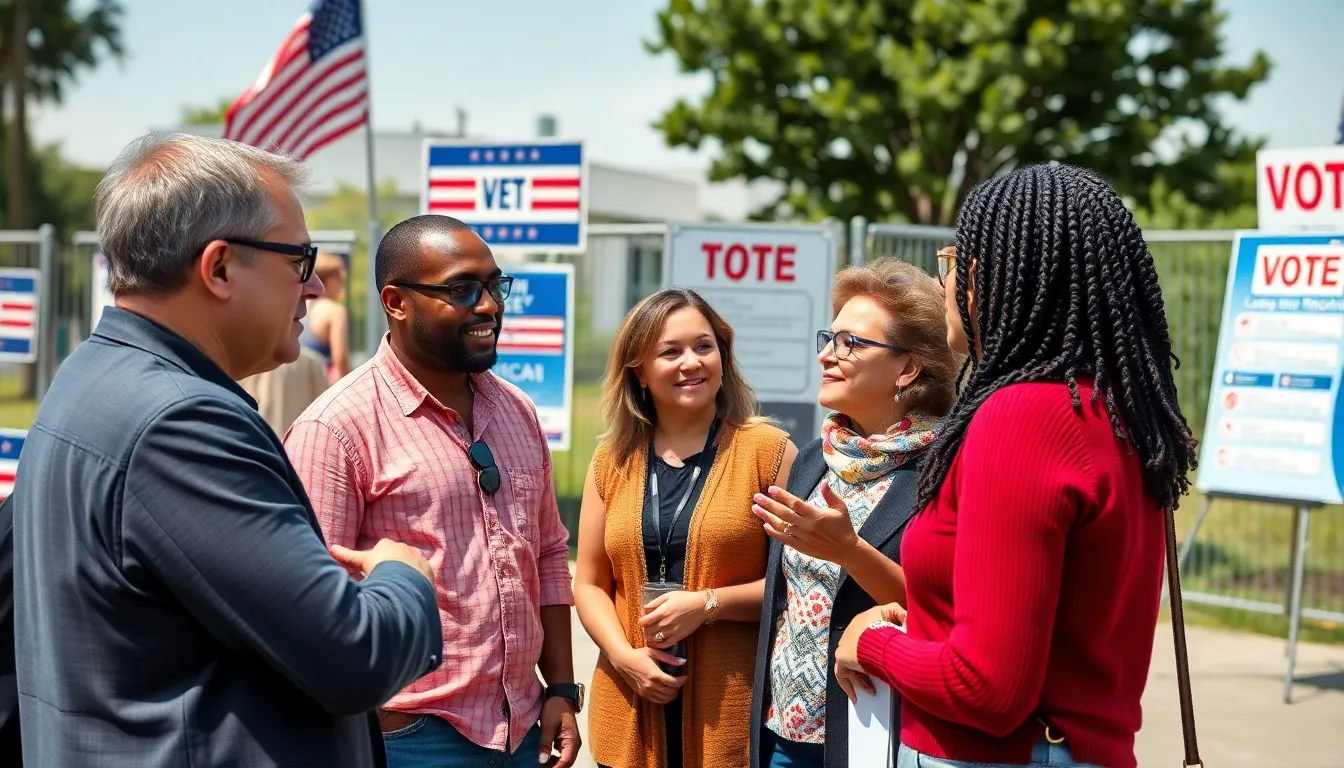
Political coverage serves as a vital mechanism for informing the public about governmental actions and societal issues. Accurate and thorough reporting shapes perceptions and influences democratic engagement.
Impact on Public Opinion
Public opinion is profoundly affected by political coverage. Media narratives can frame issues, creating a perception of urgency or importance. Voters often base decisions on the information presented, which can lead to shifts in public sentiment. Surveys indicate that approximately 62% of Americans rely on news outlets for political information. Coverage that emphasizes specific viewpoints can sway opinions, as individuals tend to gravitate towards sources that align with their beliefs. Diverse perspectives in political coverage contribute to a well-rounded understanding, fostering critical thinking among citizens.
Influence on Elections
Elections hinge on the information circulated through political coverage. During election cycles, candidates heavily depend on media exposure to communicate their platforms. Reports show that 70% of voters cite campaign news as a primary source for decision-making. Sensational headlines can draw attention, but accurate reporting is essential for a well-informed electorate. Voting behaviors often correlate with how candidates are portrayed in various media sources. Social media platforms also amplify messaging, modifying the dynamics of traditional campaigning. Comprehensive coverage helps ensure all candidates are represented fairly, allowing voters to make informed choices.
Types of Political Coverage
Political coverage consists of various forms, each playing a unique role in informing the public. Understanding these types provides clarity on how political information is conveyed.
News Reporting
News reporting focuses on delivering factual information about political events, decisions, and activities. Journalists gather information from reliable sources, including press releases, official statements, and witness accounts. Articles often provide real-time updates, especially during significant events, such as elections and policy announcements. Reporters strive for objectivity, offering a balanced view to prevent bias from influencing public perception. This form of coverage is crucial for keeping citizens informed, as seen when over 62% of Americans depend on news outlets for political updates.
Opinion Pieces
Opinion pieces, also known as editorial content, allow journalists and experts to express their viewpoints on political matters. These articles may reflect personal beliefs, analysis, or commentary on current events. Readers find diverse perspectives that can challenge their understanding of issues and stimulate discussion. Often published in dedicated sections of newspapers and magazines, these pieces contribute to public dialogue. As such, they provide context and insight while inviting scrutiny of opposing views.
Investigative Journalism
Investigative journalism seeks to uncover hidden truths about political entities, policies, and practices. This type of coverage involves in-depth research, interviews, and analysis of documents, aiming to reveal corruption, abuse of power, or failures within government institutions. Investigative reporters play a vital role in holding officials accountable and informing the public about critical issues that may remain obscured. High-profile investigations have led to significant changes in policy and a more engaged electorate. This rigorous reporting type highlights the importance of transparency in politics.
Challenges in Political Coverage
Political coverage faces significant hurdles that complicate public understanding of political events. Navigating these challenges requires awareness of factors like media bias and information overload.
Media Bias
Media bias prominently skews political coverage across various outlets. Distorted portrayals can occur when journalists prioritize sensationalism over factual reporting. News outlets often have specific political leanings, influencing the narratives they promote. Research indicates that nearly 55% of Americans perceive media bias as pervasive. Journalists strive to maintain objectivity, but personal biases can seep into coverage, affecting how stories are framed. Audiences must recognize these biases while seeking diverse viewpoints to foster critical engagement with political news.
Information Overload
Information overload overwhelms audiences in today’s fast-paced political environment. The constant stream of news can lead to confusion and difficulty in discerning credible sources. With over 80% of Americans relying on digital platforms for political news, the risk of misinformation rises sharply. Many individuals struggle to parse through multiple stories, opinions, and facts surrounding political events. Journalists are challenged to deliver concise, digestible information amidst a barrage of content. Strong media literacy skills become essential in helping audiences navigate the complexities of political coverage effectively.
The Future of Political Coverage
Political coverage is evolving rapidly, influenced heavily by technology and changing viewer habits. Social media plays a critical role in this transformation, shaping how audiences consume political news and engage with campaigns.
Role of Social Media
Social media platforms enable real-time updates on political events, allowing users to share information instantly. Approximately 80% of Americans turn to digital platforms for political news, making social media a vital source for updates. These platforms foster direct communication between politicians and constituents, enhancing transparency. They also contribute to the spread of misinformation, necessitating fact-checking and media literacy initiatives. Engaging discussions in comments and shares promote active participation in political dialogue. Timeliness and accessibility are paramount, impacting the public’s ability to stay informed about key issues.
Changes in Viewer Engagement
Viewer engagement in political coverage has shifted significantly due to technological advancements. Audiences now seek interactive formats like live streaming and Q&A sessions, moving away from traditional broadcasting. Data indicates that nearly 62% of Americans rely on news outlets for political information, but the delivery methods matter. Print and television views decline as digital content consumption rises. Personalized news feeds and algorithm-driven recommendations cater to individual preferences, which creates echo chambers. Engaging with diverse viewpoints encourages critical thinking among audiences. Sustaining attention requires innovative storytelling that resonates with viewers emotionally.
Political coverage plays a crucial role in shaping public understanding and engagement. As the media landscape evolves it’s vital for audiences to approach information critically and seek diverse sources. By doing so they can navigate the complexities of political narratives and make informed decisions.
The interplay between traditional reporting and digital platforms continues to transform how news is consumed. This shift underscores the necessity for strong media literacy skills to combat misinformation and bias. As citizens become more aware of these challenges they can better participate in the democratic process, ensuring their voices are heard amidst the noise.


