
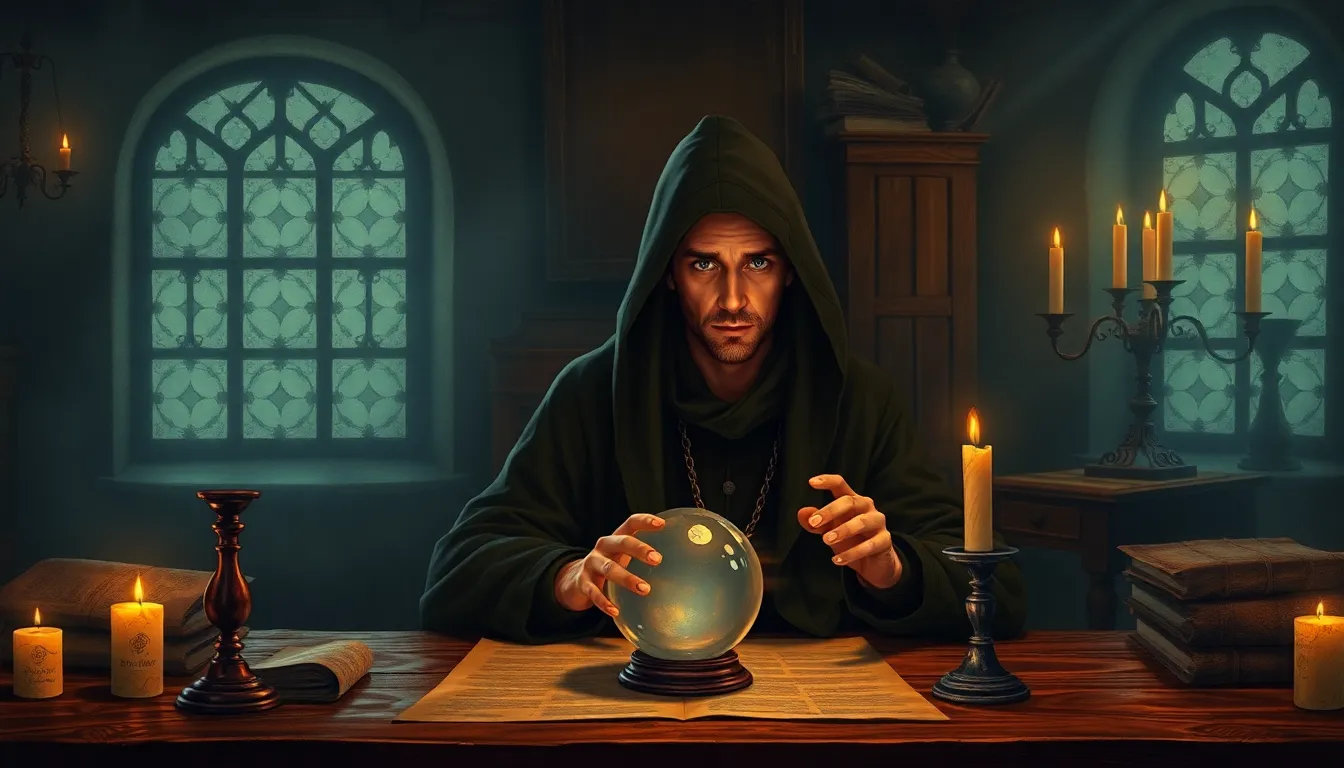
For centuries, Nostradamus has captivated minds with his enigmatic predictions, leaving many to wonder if he was a mere quack or a prophetic genius. His cryptic verses, written in the 16th century, seem to tease the future, hinting at events that could make even the most skeptical raise an eyebrow. From natural disasters to political upheavals, his forecasts have sparked debates, conspiracy theories, and a fair share of eye rolls.
Overview of Nostradamus
Nostradamus, born Michel de Nostrdame in 1503, gained fame for his prophetic writings. This French astrologer, physician, and seer published Les Prophéties in 1555, a collection of quatrains that continue to spark debate. Many scholars analyze his work, believing they find insights into future events.
Predictions range from natural disasters, wars, and political upheavals to significant cultural shifts. The ambiguous language and symbolism used in his quatrains contribute to various interpretations. Some suggest Nostradamus foresaw events like the rise of Adolf Hitler, the moon landing, and the September 11 attacks, enhancing his mystique.
People often explore the idea of his prophetic abilities further. Credibility remains a major point of contention among historians and skeptics. Some argue he relied on historical patterns to make educated guesses rather than true foresight. Critics highlight that vague wording allows many interpretations, claiming this undermines his legitimacy as a prophet.
Nostradamus’s influence spans centuries, inspiring countless articles, books, and documentaries. His name remains synonymous with prophecy and divination, igniting media fascination. Both believers and skeptics continue debating his significance. The allure of his work persists, with many drawn to the idea that hidden knowledge exists within his cryptic verses.
Throughout history, people have used Nostradamus’s predictions to reflect their fears and hopes about the future. This ongoing engagement emphasizes not only the cultural impact of his work but also humanity’s desire to anticipate and understand what lies ahead.
Historical Context of Nostradamus Future Predictions
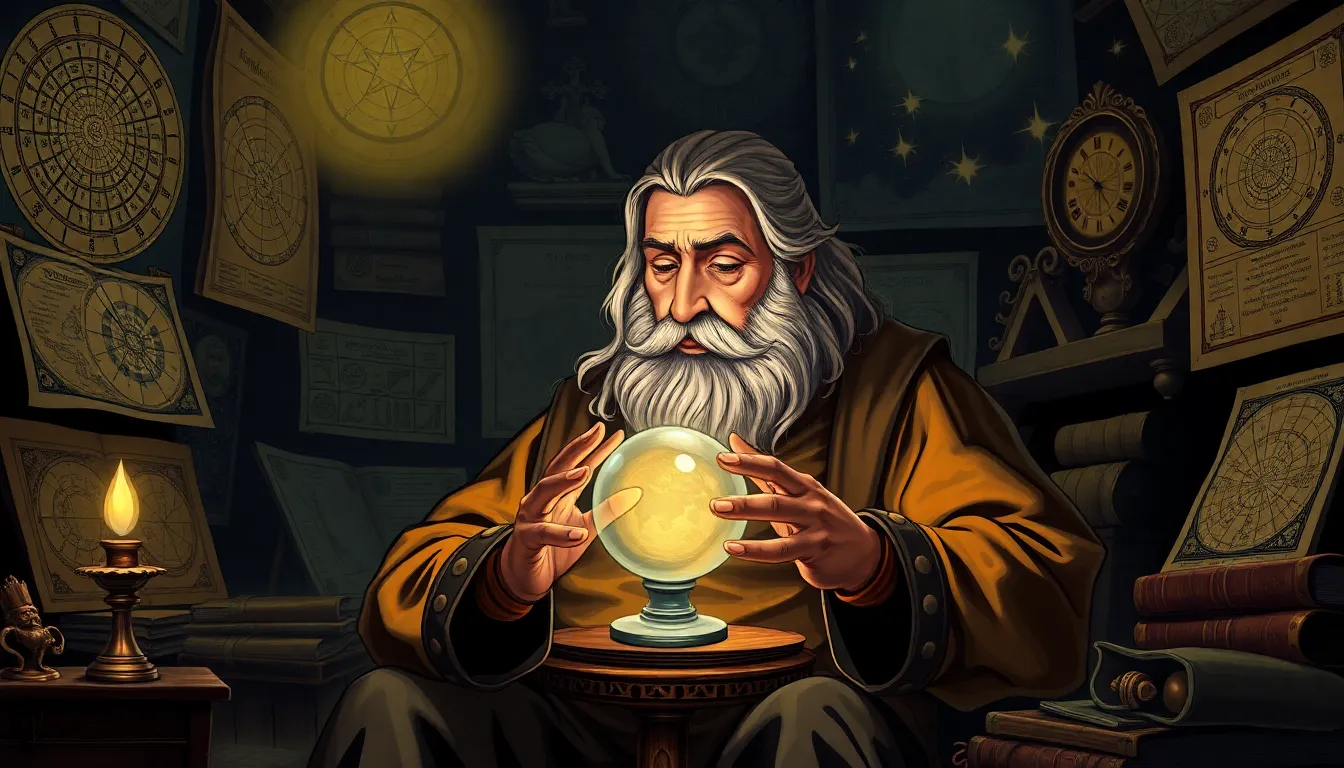
Nostradamus’s predictions resonate through history, inviting scrutiny and admiration alike. His works reflect the societal concerns of his time while raising profound questions about fate and foreknowledge.
Life and Times of Nostradamus
Born in 1503 in Saint-Rémy-de-Provence, Nostradamus grew up during a time of political unrest and religious conflict in France. His early education in medicine and astrology influenced his later writings, allowing him to blend science and mysticism. As a physician, he treated victims of the plague, gaining a reputation for his healing abilities. Traveling extensively across Europe, he interacted with influential figures, which helped shape his understanding of the world. By the mid-1550s, Nostradamus became a prominent figure in the royal courts, enhancing his public persona as a seer. Connections with the elite afforded him a unique vantage point on societal issues, further fueling his prophetic insights.
The Book of Prophecies
Published in 1555, Les Prophéties stands as Nostradamus’s most famous work. This collection of quatrains captivates readers with its enigmatic language and vivid imagery. Each verse alludes to potential future events, ranging from wars to personal tribulations. Scholars interpret these quatrains in various ways, leading to numerous debates about their accuracy and meaning. Nostradamus employed astrological references and historical parallels in his predictions, enhancing their allure. Readers often find relevance in these cryptic verses, considering events like the French Revolution and World War II as possible fulfillments of his prophecies. The widespread impact of Les Prophéties solidified Nostradamus’s place in the history of divination, as its echoes can still be felt in contemporary discussions about prophecy and fate.
Analysis of Key Predictions
Nostradamus’s predictions evoke intrigue through their connections to major historical events. His writings often reference significant occurrences, drawing attention to their enigmatic nature.
Major Events and Their Predictions
Predictions frequently align with pivotal moments in history. Nostradamus’s verses reference the rise of Adolf Hitler, suggesting a dark future marked by conflict. He also alludes to the moon landing, capturing a sense of human achievement in uncharted territory. Events like the September 11 attacks appear in interpretations of his quatrains, presenting a chilling foresight of disaster. Each interpretation reveals the enduring relevance of his work, illustrating how his cryptic language resonates with various historical contexts.
Interpretation Controversies
Interpretation remains a contentious subject among scholars and skeptics. Vague phrasing in Nostradamus’s quatrains allows multiple readings, leading to debates about their true meaning. Critics argue that predictions often reflect historical patterns rather than prophetic insights. Some historians emphasize the lack of specificity, claiming this weakens his status as a seer. Despite this, believers find substantial connections between his writings and real-world events, affirming his lasting impact on the field of prophecy.
Relevance Today
Nostradamus’s predictions maintain significant relevance in contemporary discussions. His enigmatic verses continue to resonate across various fields, from politics to popular culture.
Modern Interpretations of Predictions
Current scholars dissect Nostradamus’s writings, linking them to contemporary issues like climate change and global conflicts. Many enthusiasts propose connections between his quatrains and current events, asserting that he foresaw societal shifts and technological advancements. For example, some believe his references to “fire from the sky” directly relate to modern warfare and nuclear threats. Others interpret ambiguous phrases as warnings against environmental disasters. Interpretations of his work frequently adapt to fit ongoing global challenges, showcasing the adaptability of his predictions and sustaining interest among diverse audiences.
Predictions in Popular Culture
Nostradamus influences various aspects of popular culture, including films, music, and literature. Numerous movies reference his work, often portraying him as a visionary. Popular songs incorporate themes inspired by his prophecies, capturing listeners’ imaginations. Comic books and graphic novels frequently feature characters inspired by Nostradamus, blending fantasy with historical interpretation. Documentaries routinely examine his predictions, analyzing their implications and historical significance. By remaining a focal point in creative endeavors, Nostradamus’s prophecies continue to capture public interest, ensuring their lasting imprint on modern culture.
Nostradamus’s predictions continue to spark curiosity and debate across generations. His unique blend of mysticism and insight has left a lasting legacy that transcends time. Whether viewed as a genuine prophet or a master of ambiguity his writings invite ongoing exploration and interpretation.
As modern society grapples with complex issues like climate change and geopolitical tensions many find themselves drawn to his cryptic verses for guidance. The cultural impact of Nostradamus’s work remains undeniable inspiring countless discussions and creative expressions. His enigmatic legacy ensures that his predictions will be analyzed and reinterpreted for years to come.


