
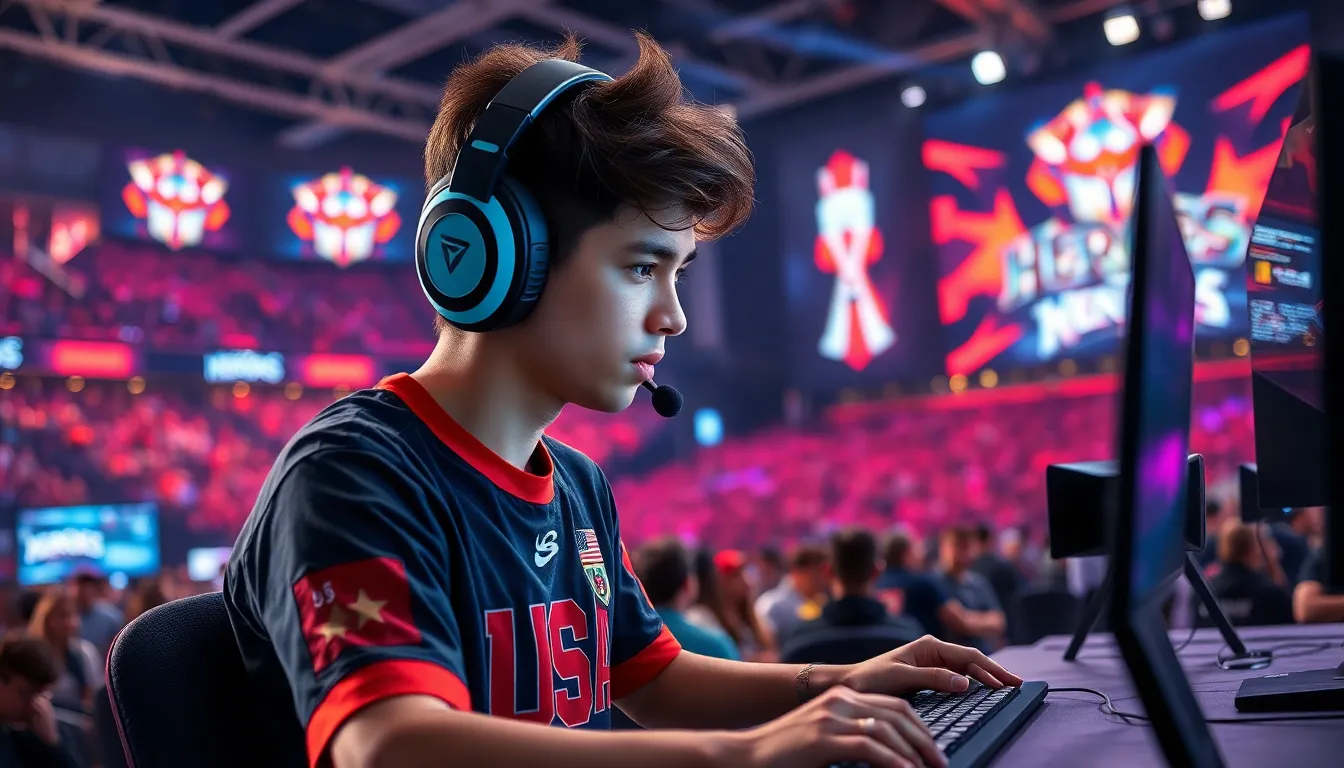
In the world of esports, few games pack as much punch as Heroes of the Storm (HotS). This thrilling multiplayer online battle arena isn’t just a game; it’s a battleground where strategy meets chaos, and teamwork is the name of the game. Whether you’re a seasoned pro or a curious newbie, HotS offers an electrifying experience that keeps players on the edge of their seats.
Overview of Hots Esports
Heroes of the Storm (HotS) employs a team-based format where players engage in matches that blend various elements from popular Blizzard franchises. Competitive gaming thrives within the HotS community, thanks to its strategic depth and cooperative gameplay. Teams typically consist of five players, each selecting unique heroes with distinct abilities and roles.
Significant tournaments, such as the Heroes of the Storm Global Championship, showcase the best teams and attract thousands of viewers worldwide. These events highlight the skill required to master various heroes and strategies. Prize pools for official HotS tournaments can range from tens of thousands to over a million dollars, reflecting the game’s prominence.
Regular updates and patches keep the gameplay fresh, allowing developers to adjust hero balance and improve game mechanics. Esports organizations, such as Team Dignitas and Cloud9, often invest heavily in HotS teams, further validating the title’s position in the competitive scene.
Players often form tight-knit communities, using forums and social media to share strategies, tips, and engage in discussions about the game. Furthermore, streaming platforms like Twitch show a considerable number of HotS matches, attracting both casual viewers and dedicated fans.
Countries like South Korea and the United States represent strongholds for top-tier teams, influencing the global esports landscape significantly. Observing the evolution of HotS esports reveals its lasting impact on the gaming community, showcasing how team synergy and individual skill can lead to triumph.
Popular Games in Hots Esports
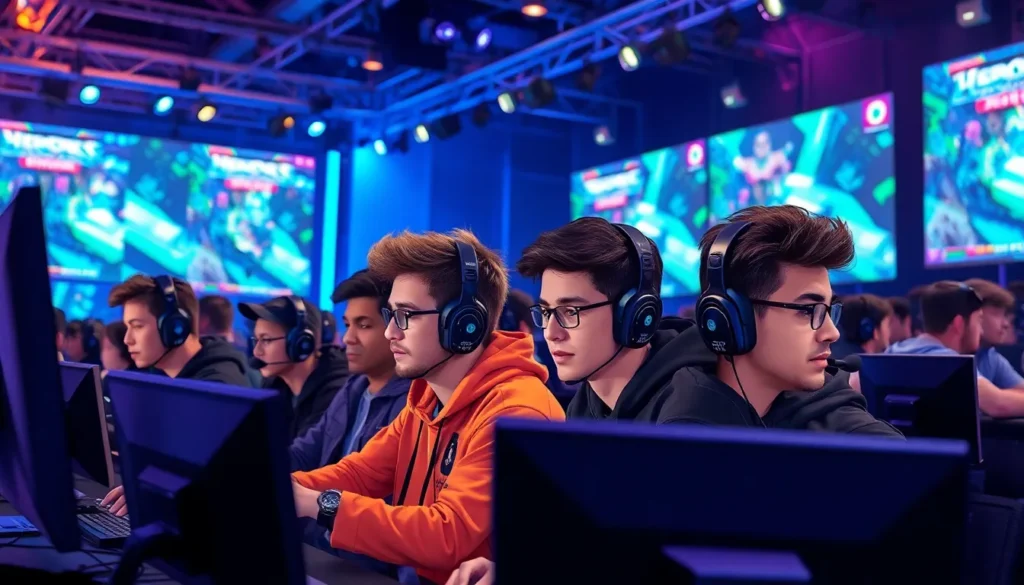
Heroes of the Storm features various titles that attract competitive players and fans alike. Each game title offers unique mechanics and engagement, solidifying its place in the esports scene.
Major Titles
Major titles in HotS esports include “The Nexus,” where players choose heroes from Blizzard franchises like Warcraft and StarCraft. Competitive events primarily revolve around these games, captivating audiences with intense gameplay. “The Nexus” tournament series, for example, showcases top-tier teams competing for substantial prize pools. Players often rely on teamwork and strategy to succeed in these major events. High-stakes matches consistently draw thousands of online viewers eager for exciting action.
Emerging Titles
Emerging titles in HotS esports reflect the ongoing innovation in game mechanics and hero designs. Recent releases expand the competitive landscape, introducing new strategies and heroes. For instance, “Lightspeed Showdown” has gained traction, engaging players with fast-paced, action-packed gameplay. Players also experiment with new hero compositions in this title, driving a fresh wave of creativity. Smaller tournaments dedicated to these emerging games foster community growth and encourage new players to enter the competitive scene.
Competitive Scene of Hots Esports
The competitive scene of Heroes of the Storm (HotS) thrives on its dynamic tournaments and exceptional players. It showcases intense matchups across various platforms, drawing in thousands of fans.
Tournaments and Championships
Major tournaments define the HotS competitive landscape. The Heroes of the Storm Global Championship serves as the pinnacle event, featuring elite teams competing for prize pools that can exceed one million dollars. Additional competitions like the HGC Finals also contribute significantly to the esports calendar, highlighting top-level strategies and gameplay. Regular updates and seasonal events keep the excitement alive. Tournaments frequently attract a diverse audience, with streaming platforms like Twitch amplifying their reach. Fans engage in real-time discussions, creating an energetic atmosphere that enhances viewer experience.
Notable Teams and Players
Top teams dominate the HotS esports scene. Organizations such as Tempest and Fnatic consistently rank high in tournaments, showcasing exceptional teamwork and individual skill. Players like Shad and Kyocha stand out for their contributions, earning recognition for their strategic prowess and gameplay. Rising teams frequently challenge established competitors, forcing greater skill development across the board. Iconic players often define matches through remarkable performances, raising the stakes at each event. Collaborations between players and coaching staff foster innovation within gameplay strategies, continually pushing the boundaries of what’s possible in HotS esports.
Strategies for Success in Hots Esports
Effective strategies in HotS esports hinge on understanding game mechanics and fostering team coordination. Mastery of both elements significantly improves a team’s competitive edge.
Game Mechanics
Knowledge of game mechanics plays a crucial role. Players must grasp character abilities, map objectives, and engage in strategic gameplay. Each hero brings unique skills that can counter opponents effectively. Recognizing power spikes allows teams to capitalize on their advantages. Juggling rotations transforms into a strategic art, as understanding the flow of the game aids in decision-making. Analyzing patch notes and adapting to updates ensures relevant gameplay strategies are maintained.
Team Coordination
Strong team coordination defines successful teams. Communicating effectively fosters synergy among players. Teams should establish clear roles, ensuring each member understands their responsibilities in various scenarios. Utilizing voice chat can enhance real-time decision-making. Practicing together creates a solid foundation, allowing teams to develop trust and refine their strategies. Observing top-tier matches provides insights into advanced coordination techniques. Fostering a positive environment encourages players to share ideas and improve collectively.
Future of Hots Esports
The future of Heroes of the Storm esports appears promising, driven by player engagement and community support.
Trends and Predictions
Increased investment from esports organizations signals a commitment to growth. Players are focusing more on strategy, showcasing individual skill alongside team synergy. Innovations in gameplay are likely as developers continue to roll out regular updates and balance patches. It’s expected that new heroes and maps will periodically refresh the competitive landscape. Furthermore, community-driven events can enhance player interaction, drawing more fans into the fold. Proximity to popular streaming platforms ensures continued visibility, expanding HotS’s reach. Major tournaments are set to attract even larger audiences, enhancing prize pools and fostering competition. The potential for collaboration among international teams promises to elevate the global appeal of the game. Overall, these trends suggest that HotS esports will continue evolving and captivating both players and viewers alike.
Heroes of the Storm esports stands as a vibrant and evolving segment of the gaming community. Its blend of strategic depth and team dynamics fosters a rich environment for both players and fans. As organizations invest more resources and communities grow closer, the competitive landscape is set to thrive.
With the promise of regular updates and innovative gameplay, HotS continues to attract attention from a diverse audience. Major tournaments and rising talent ensure that the excitement remains palpable. The future looks bright for HotS, with opportunities for players to showcase their skills and for fans to engage in a thrilling esports experience.


