
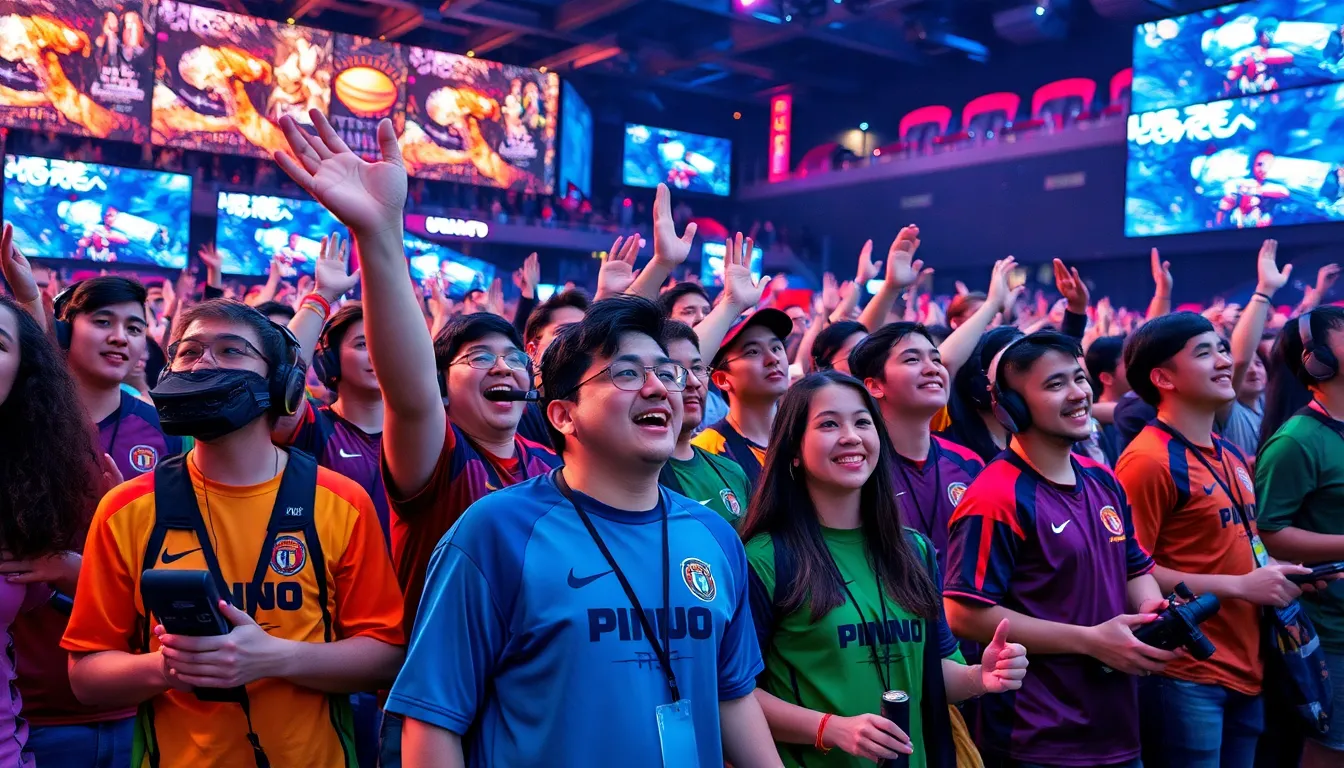
As the digital landscape evolves, electronic sports, or esports, have surged into the spotlight, captivating millions of fans worldwide. From competitive gaming tournaments to live streaming platforms, the excitement surrounding esports is undeniable. This vibrant scene not only showcases incredible talent but also presents unique opportunities for coverage that traditional sports often overlook.
Esports coverage is a dynamic blend of live commentary, in-depth analysis, and engaging storytelling. It caters to a diverse audience that craves real-time updates and immersive experiences. With the rise of dedicated esports media outlets and mainstream networks, fans now enjoy unprecedented access to their favorite games and players. Understanding the nuances of this fast-paced industry is essential for anyone looking to navigate the thrilling world of electronic sports.
Overview Of Electronic Sports Coverage
Electronic sports coverage has evolved into a sophisticated and multifaceted industry. It encompasses live event broadcasts, streaming platforms, and dedicated media outlets. Fans enjoy real-time action, expert commentary, and insightful analysis, enhancing their viewing experience.
Key components of esports coverage include:
- Live Streaming: Platforms like Twitch and YouTube Gaming provide direct access to competitions, allowing viewers to watch their favorite players in action.
- Commentary and Analysis: Professional commentators offer insights during matches, helping audiences understand game strategies and player performances.
- Pre- and Post-Match Coverage: Coverage includes interviews with players and coaches, expert panels, and analyses of game highlights. This content deepens fans’ connection to the esports ecosystem.
- Highlight Reels: Short clips capture key moments from matches, making it easier for fans to share and discuss exciting plays across social media.
- Dedicated News Outlets: Websites and online magazines focused solely on esports provide news, interviews, and in-depth articles, keeping fans informed on industry trends and player moves.
As esports continues to mature, its coverage becomes more refined. Broadcasters and content creators adopt innovative technologies like augmented reality (AR) and virtual reality (VR) to enhance viewer immersion. This ongoing evolution enriches audience engagement, amplifying the excitement surrounding esports globally.
Importance Of Electronic Sports Coverage
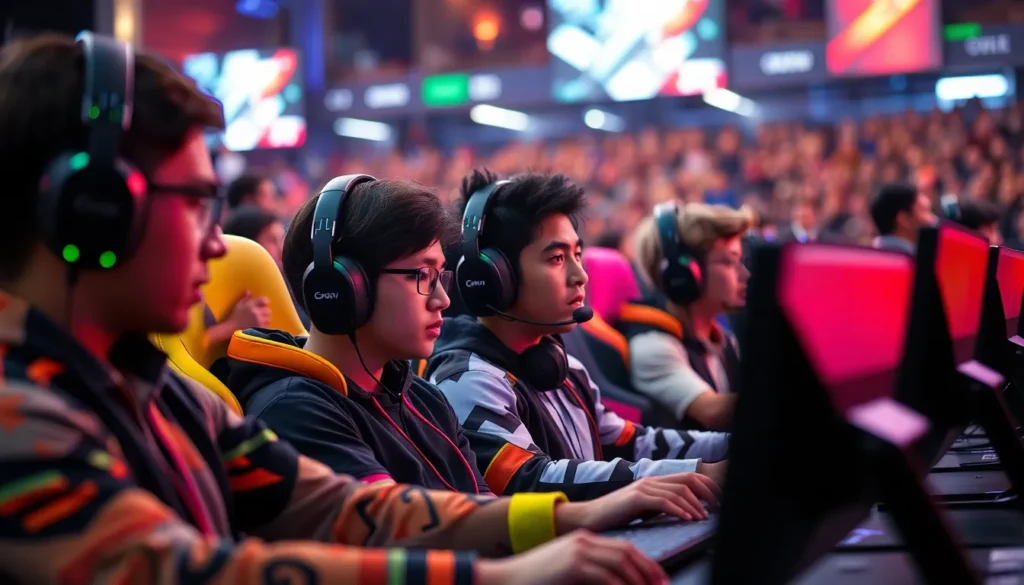
Electronic sports coverage plays a crucial role in connecting fans with the vibrant world of esports. It enhances engagement, fosters community interaction, and drives significant economic growth.
Audience Engagement
Audience engagement thrives through innovative coverage methods within esports. Live commentary captures viewers’ attention, making matches more exciting and informative. Streaming platforms like Twitch and YouTube Gaming provide real-time interactions, allowing fans to chat and share reactions during events. Comprehensive analyses enhance understanding of strategies and player performance, leading to deeper connections. Highlight reels, alongside dedicated content from news outlets, keep fans informed about team changes, player stats, and upcoming tournaments. Successful engagement transforms casual viewers into dedicated fans, ultimately expanding the esports community.
Economic Impact
The economic impact of electronic sports coverage represents a key aspect of the industry’s growth. In 2023, esports generated approximately $1.4 billion in revenue globally, with sponsorships, advertising, and ticket sales contributing significantly. Streaming platforms contribute by providing monetization opportunities for content creators, allowing them to earn revenue from subscriptions and donations. Increased investment from traditional sports teams and companies amplifies the industry’s financial resources and credibility. Moreover, esports events attract large audiences, stimulating local economies through tourism and hospitality. As esports coverage evolves, its economic footprint continues to expand, demonstrating its importance to both fans and the broader market.
Platforms For Electronic Sports Coverage
Multiple platforms serve as essential resources for electronic sports coverage, catering to various audience needs and preferences.
Traditional Media Outlets
Traditional media outlets have embraced electronic sports, incorporating esports into their programming. Networks like ESPN and NBC Sports air major esports events, reaching a broader audience. Coverage includes pre-game shows, post-match analysis, and expert commentary that enhances the viewer experience. Print media also plays a role, with magazines and newspapers publishing articles and features about esports trends, prominent players, and significant tournaments. These outlets help legitimize esports within mainstream culture, providing fans with accessible insights and fostering broader acceptance of the competitive gaming landscape.
Streaming Services
Streaming services dominate the esports coverage scene, offering fans unparalleled access to live events and content on-demand. Platforms like Twitch and YouTube Gaming lead in providing real-time streaming of tournaments, enabling viewers to watch their favorite players and teams compete. Interactive features, including live chat and viewer polls, increase engagement and create community among fans. Platforms also host original content, such as player interviews, analysis shows, and highlights, further enriching the viewer experience. Notably, alternative platforms like Facebook Gaming and Trovo have also emerged, contributing to the competitive streaming ecosystem by catering to diverse audiences and preferences.
Coverage Formats And Styles
Electronic sports coverage employs diverse formats and styles to cater to various audience preferences. Each format enhances the viewer experience and connects fans to the esports community.
Live Broadcasting
Live broadcasting forms the backbone of esports coverage. It includes real-time streaming of tournaments on platforms like Twitch and YouTube Gaming. Professional casters provide commentary, delivering insights into strategies and gameplay. This immediacy keeps viewers engaged, allowing them to support their favorite teams and players during critical moments. Multi-camera setups offer different perspectives, enhancing the visual experience. Often, post-match analysis features expert commentators breaking down plays, enriching fans’ understanding of the game.
Highlight Reels And Recaps
Highlight reels and recaps play a vital role in keeping fans connected to fast-paced esports environments. They condense key moments from matches into short, shareable clips, allowing fans to catch up quickly when they miss live events. These highlights showcase impressive plays, thrilling comebacks, and unforgettable moments, sparking discussions among fans. News outlets also produce daily or weekly recaps, summarizing tournament results and player performances, ensuring audiences stay informed. This format encourages sharing on social media, further broadening the reach of the content.
Challenges In Electronic Sports Coverage
Electronic sports coverage faces several challenges that impact its growth and accessibility. Key issues include legal complexities and demands for quality and accuracy in reporting.
Legal Issues
Legal issues pose significant obstacles for esports coverage. Intellectual property rights concerning game content present challenges, as broadcasters and media outlets must navigate ownership claims. Developers like Riot Games and Blizzard are protective of their franchises, leading to restrictions on content sharing and distribution. Additionally, regulations around advertising and sponsorship can complicate partnerships in an industry known for rapid changes. Compliance with international laws further adds layers to the legal landscape, affecting how tournaments are organized and broadcasted.
Quality And Accuracy
Quality and accuracy in esports coverage directly influence audience trust and engagement. Misinformation can arise from rushed reporting or a lack of understanding of intricate game mechanics. Coverage that doesn’t reflect the nuances of gameplay can misguide viewers and dilute their experience. Professional commentators and analysts play a crucial role in ensuring that narratives resonate with fans, requiring ongoing training and familiarization with games. Maintaining high production standards in broadcasts is essential, as subpar visuals or audio can detract from viewer enjoyment and lead to increased churn rates among fans.
Future Of Electronic Sports Coverage
The future of electronic sports coverage hinges on technological advancements and the ever-growing popularity of esports. As these elements evolve, they shape how fans engage with their favorite games and players.
Technological Advancements
Technological advancements drive the transformation of esports coverage. Innovations in virtual reality (VR) and augmented reality (AR) enhance viewer experiences by immersing audiences in interactive environments. 4K and 8K streaming capabilities deliver high-resolution broadcasts, providing clarity and detail during fast-paced esports matches. Artificial intelligence (AI) assists in data analysis, generating real-time insights into player performance and strategy. Cloud gaming platforms enable seamless access to games, ensuring fans never miss a moment. Drones capture dynamic views of live events, further enriching the overall experience. These developments promise greater viewer engagement and create new opportunities for content creators and broadcasters.
Growing Popularity
The growing popularity of esports contributes significantly to its coverage. Industry reports show that the global esports audience reached approximately 500 million in 2023, with projections indicating continued growth. Major tournaments attract millions of viewers, both online and in-person, providing sponsors and advertisers with valuable exposure. This expansion leads to increased investments from brands eager to tap into the esports market. Furthermore, mainstream sports networks are integrating esports into their programming, further legitimizing it as a competitive scene. Enhanced collaboration between game developers and media outlets fosters the production of specialized content, catering to diverse fan interests. As esports gains traction, coverage will continually adapt to meet the demands of its expanding audience.
Electronic sports coverage is transforming the way fans engage with their favorite games and players. As the industry evolves with innovative technologies and diverse platforms, it continues to foster a vibrant community that thrives on interaction and excitement. The blend of live commentary, in-depth analysis, and compelling storytelling enriches the viewer experience and strengthens the connection between fans and the esports world.
With significant economic growth and increased investment from traditional sports entities, the future of esports coverage looks promising. As audiences grow and their preferences shift, the industry will adapt to meet these demands, ensuring that electronic sports coverage remains dynamic and engaging. As it stands, the landscape of esports is not just a trend but a burgeoning field that’s here to stay.


