

As election season approaches, the buzz around candidates and their platforms intensifies. Voters seek reliable information to make informed choices, and election coverage plays a crucial role in shaping public perception. With a myriad of sources available, understanding how to navigate this landscape is essential for anyone looking to stay informed.
From traditional media to social platforms, the way elections are covered has evolved dramatically. Journalists and commentators face the challenge of presenting unbiased information while engaging audiences in a fast-paced digital world. This article delves into the intricacies of election coverage, exploring its impact on voter behavior and the importance of critical thinking in consuming political news.
Overview of Election Coverage
Election coverage encompasses the reporting and analysis of political events, candidates, and voter behavior during the election cycle. Various media platforms, including television, online news outlets, and social media, play crucial roles in disseminating election-related information. These platforms allow for real-time updates, in-depth commentary, and extensive audience engagement.
Election reporting has evolved significantly, now integrating data journalism and interactive content. Journalists utilize polls, statistical models, and demographic analyses to provide deeper insights into voter preferences. These tools enhance the audience’s understanding of electoral dynamics and trends.
Challenges persist in striking a balance between engaging content and unbiased reporting. Journalists face pressures to capture audience interest while maintaining objectivity. Sensationalism can distort public perception. Reliable sources and rigorous fact-checking remain essential for providing accurate information.
Election coverage also influences voter behavior. Increased exposure to diverse viewpoints fosters informed decision-making, while misinformation can lead to confusion and apathy. Voter engagement increases with comprehensive coverage, prompting citizens to participate actively in the electoral process.
Critical thinking is paramount as individuals navigate the plethora of information available. Voters benefit from evaluating sources, understanding biases, and seeking diverse perspectives. Informed voters contribute to a more robust democracy, ensuring elections reflect the electorate’s true preferences.
Importance of Election Coverage
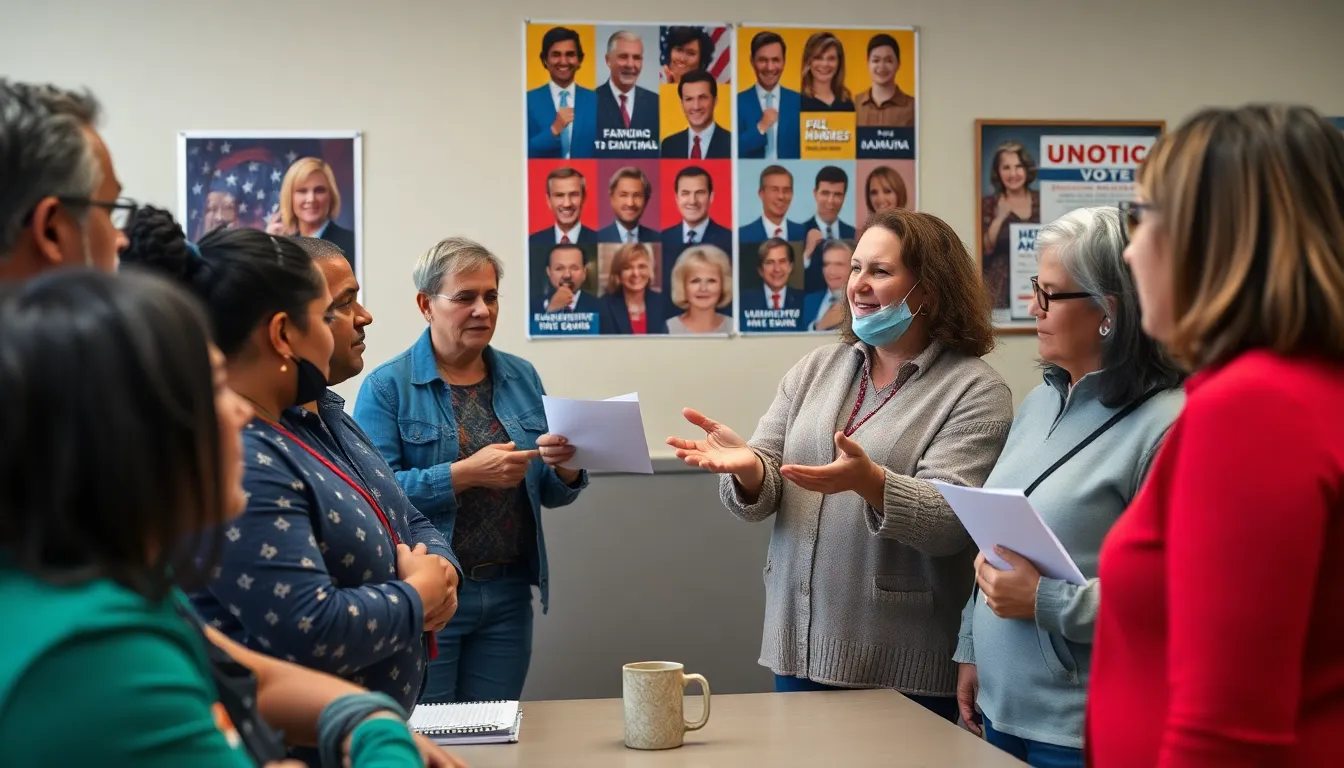
Election coverage plays a crucial role in shaping the democratic process by providing voters with essential information. Reliable reporting not only informs the electorate but also influences voter behavior and decision-making.
Informing Voters
Election coverage equips voters with accurate and timely information about candidates, policies, and their implications. Journalists analyze campaign platforms, debate performances, and voter surveys to present key details. Voters gain insights into the candidates’ positions through comprehensive analyses and fact-checking. Accessible coverage allows citizens to understand complex issues, thus enabling them to make informed choices at the polls.
Impact on Democracy
Effective election coverage strengthens democracy by promoting voter engagement and participation. When voters receive diverse viewpoints from various sources, they develop a broader perspective on political issues. This exposure fosters informed decision-making and strengthens civic responsibility. Conversely, misinformation can erode public trust and lead to apathy, diminishing democratic participation. Comprehensive election coverage ensures that voters remain informed, ultimately contributing to elections that reflect the electorate’s true preferences.
Types of Election Coverage
Election coverage occurs through various media formats, each contributing uniquely to public understanding of the electoral process. Detailed insights across television, radio, print media, and digital platforms highlight how voters receive crucial information regarding candidates and policies.
Television and Radio
Television and radio provide immediate and broad access to election coverage. Network news channels and local stations broadcast live updates, interviews, and analysis, ensuring that audiences receive up-to-date information. Coverage includes debate broadcasts, candidate profiles, and polling results. Radio programs engage listeners with discussions and expert commentary, allowing for in-depth exploration of election issues. These platforms often attract diverse demographics, helping to inform a wide range of voters.
Print Media
Print media, encompassing newspapers and magazines, offers a detailed and analytical approach to election coverage. Editorial pieces, investigative reports, and various viewpoints present comprehensive insights into candidate platforms and policies. In-depth profiles on candidates and issues provide context, allowing voters to digest complex information. Print media also reaches audiences that prefer traditional formats over digital options, preserving the role of newspapers and magazines in informing the electorate.
Digital Platforms
Digital platforms transform election coverage through accessibility and interactivity. Online news sites, social media, and blogs deliver real-time updates and foster reader engagement. Social media enables rapid sharing of electoral news, candidate statements, and polling information, allowing users to participate in discussions. Interactive features, like live polls and Q&A sessions, enhance understanding and engagement. Data journalism incorporates analytics and visualizations, making complex data more accessible. Digital platforms connect with younger demographics and encourage broader participation in the political process.
Challenges in Election Coverage
Election coverage faces numerous challenges that can impact its effectiveness and reliability. Journalists strive to deliver accurate information amid a rapidly changing electoral landscape.
Misinformation and Bias
Misinformation poses a significant threat to election coverage. It spreads rapidly across various platforms, particularly social media, where unchecked claims can ignite public confusion. Journalists contend with navigating biased sources and extreme viewpoints that distort facts or misrepresent candidates. According to the Pew Research Center, 64% of Americans believe fabricated news stories lead to misunderstandings about important issues. Maintaining objectivity becomes challenging as narratives often skew based on political affiliations. News organizations must implement stringent fact-checking processes and promote transparency about their editorial choices to counteract these influences.
Resource Limitations
Resource limitations hinder comprehensive election coverage. Many media outlets operate with reduced staff due to budget cuts, impacting their ability to cover local, state, and national elections thoroughly. Smaller outlets may lack the necessary funding to hire specialized reporters or conduct investigative journalism, resulting in superficial reporting. A 2021 report by the American Press Institute highlighted that over 1,800 local newsrooms have closed since 2004, reducing journalistic diversity and perspective. Lack of access to up-to-date technology restricts journalists’ capabilities to gather and analyze data efficiently. Collaborative efforts between media organizations could improve resource distribution and enhance overall coverage quality in the electoral process.
Best Practices for Effective Election Coverage
Effective election coverage relies on transparency and engagement, ensuring that information serves the public interest and fosters informed decision-making.
Ethical Reporting
Ethical reporting demands accuracy, fairness, and impartiality in presenting election-related information. Journalists must verify facts, attribute sources, and disclose conflicts of interest. Adhering to established journalistic standards enhances credibility. Promoting transparency helps audiences identify bias and misinformation. Furthermore, reporting should respect privacy and avoid sensationalism, especially concerning personal attacks on candidates or misinformation that may influence voter sentiments. Following a code of ethics not only maintains public trust but also strengthens the role of media in the democratic process.
Engaging Audiences
Engaging audiences requires innovative strategies that capture attention and stimulate dialogue. Utilizing interactive content, such as polls and quizzes, promotes participation and invites audiences to express their views. Visual storytelling through infographics makes complex data more accessible. Social media platforms play a vital role in outreach, enabling real-time feedback and discussions. Frequent updates and varied content types, like videos and podcasts, cater to different preferences, enhancing overall engagement. Encouraging community forums and discussions also fosters a sense of ownership among voters, motivating them to explore issues deeply and connect with the electoral process.
Election coverage plays a pivotal role in shaping informed voter behavior and enhancing democratic engagement. As the landscape of media continues to evolve journalists must navigate the complexities of delivering accurate information while combating misinformation. The integration of innovative reporting techniques and diverse media formats enriches public understanding and encourages participation.
Voters are empowered when they access reliable information about candidates and policies fostering a more engaged electorate. By prioritizing transparency and ethical reporting practices media outlets can build trust and facilitate meaningful discussions. Ultimately the effectiveness of election coverage directly influences the health of democracy ensuring that every vote reflects the true preferences of the populace.


